By Paul Freary
Stability and motion control shoes have existed for many years. Their aim is to control the rate of pronation. Here I will try to explain what pronation is, why it matters and which type of shoe, a stability or motion control type shoe is best for you.
What is Pronation?
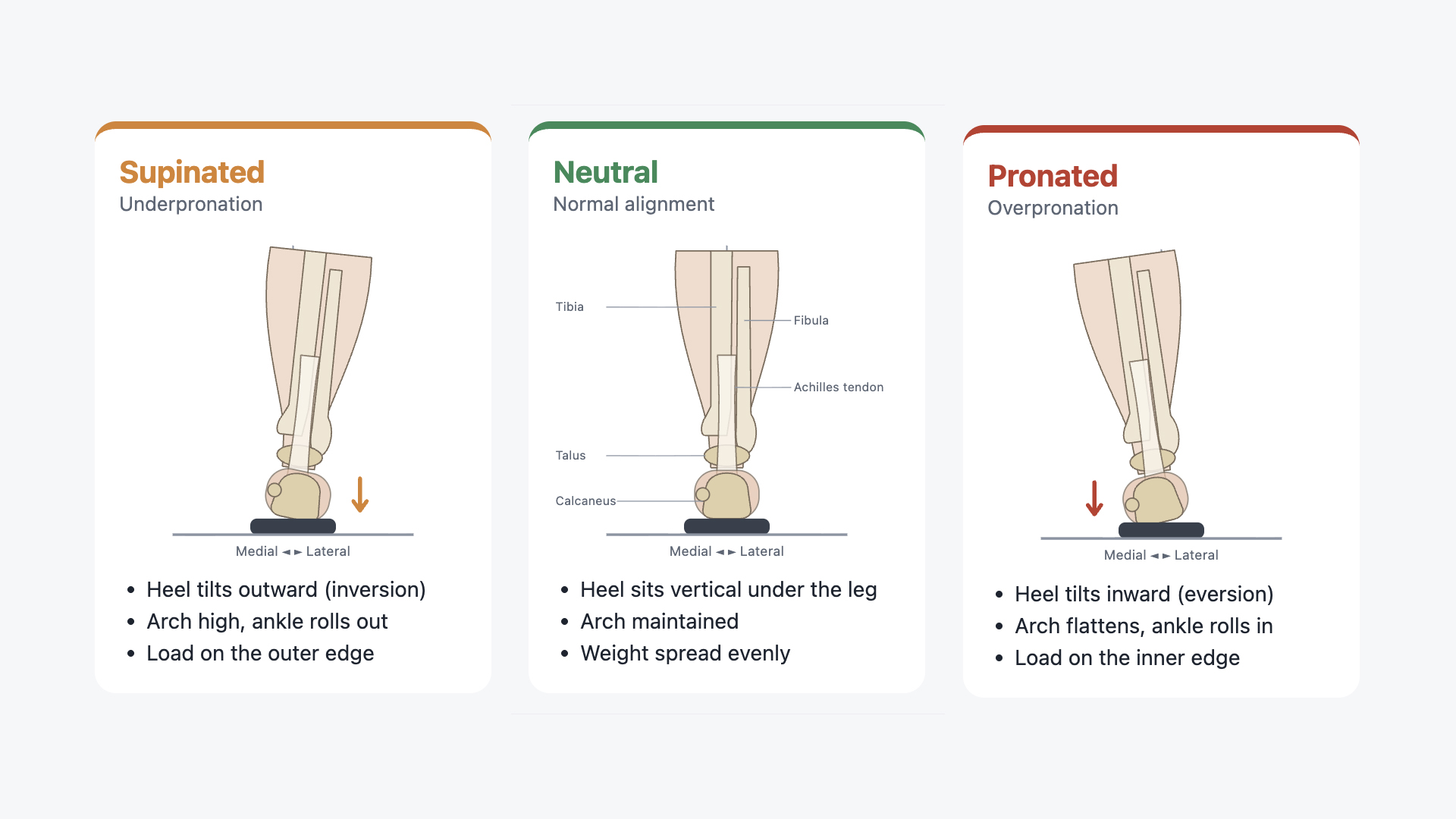
Pronation is the natural inward roll of the foot.
Yes, that’s correct: the natural motion. There is no right or wrong with pronation. Issues simply tend to occur when we excessively overpronate or underpronate.
Stability Vs
Motion Control
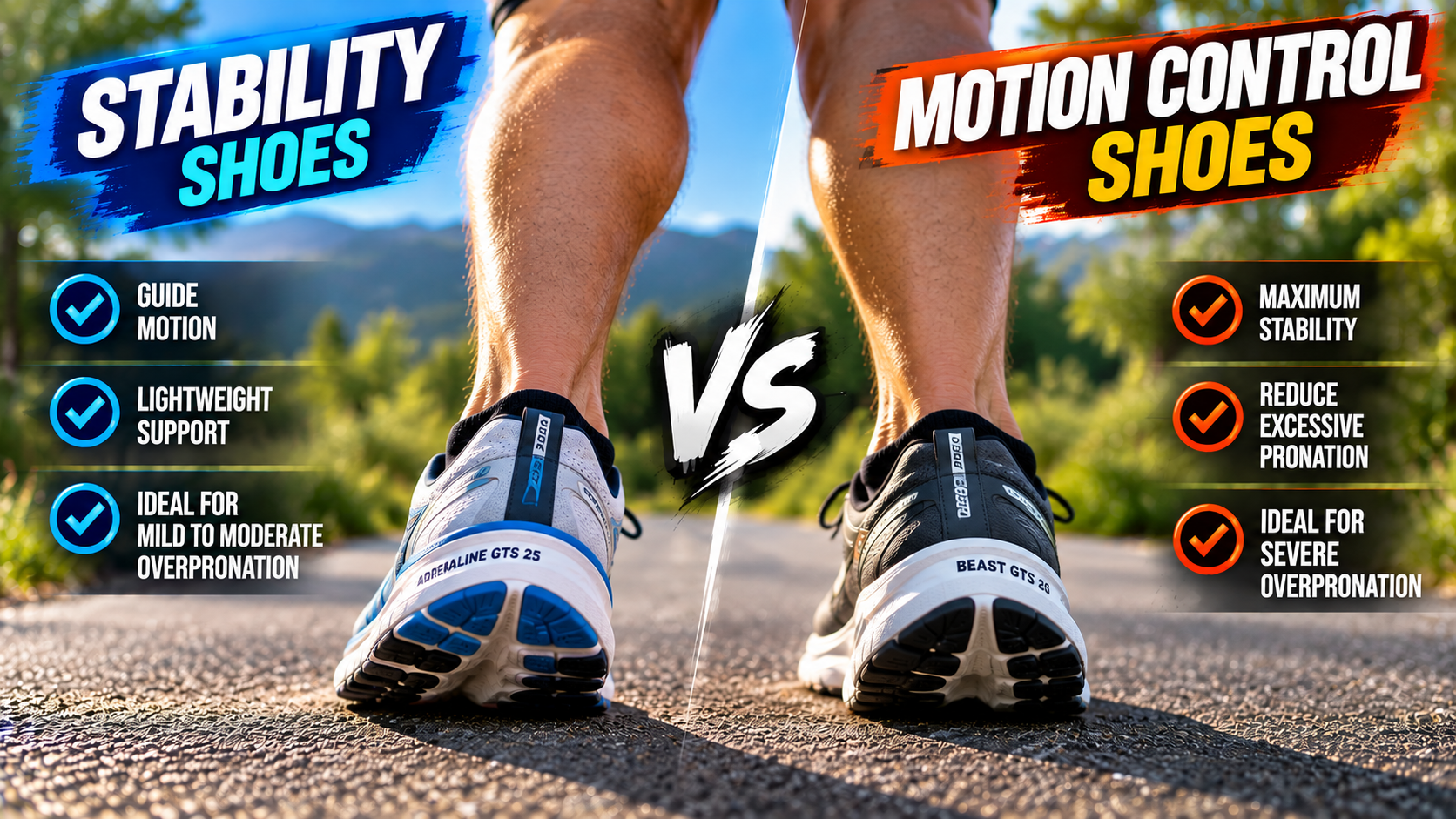
Various types of support shoes for overpronators now exist and are often classified as stability or motion control.
Again, there is no set-in-stone rating system for these types of shoes; we simply have brands’ guidance to rely on.
A stability shoe tends to be a little milder in the amount of control it provides, whereas motion control models tends to offer a higher level of control.
Which is a Stability Shoe and Which is a Motion Control Shoe?
Both these models from Brooks use the brand GTS, Go-To-Support or GuideRail Technology System, to control the rate of pronation.
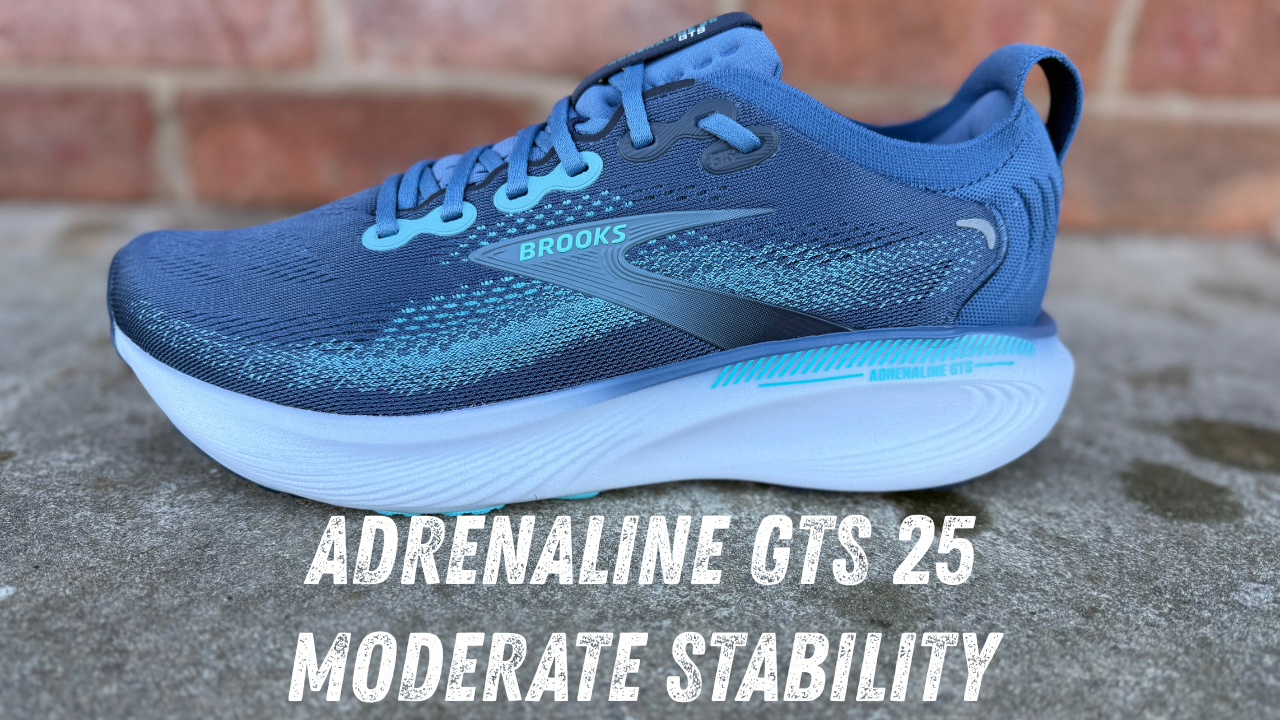
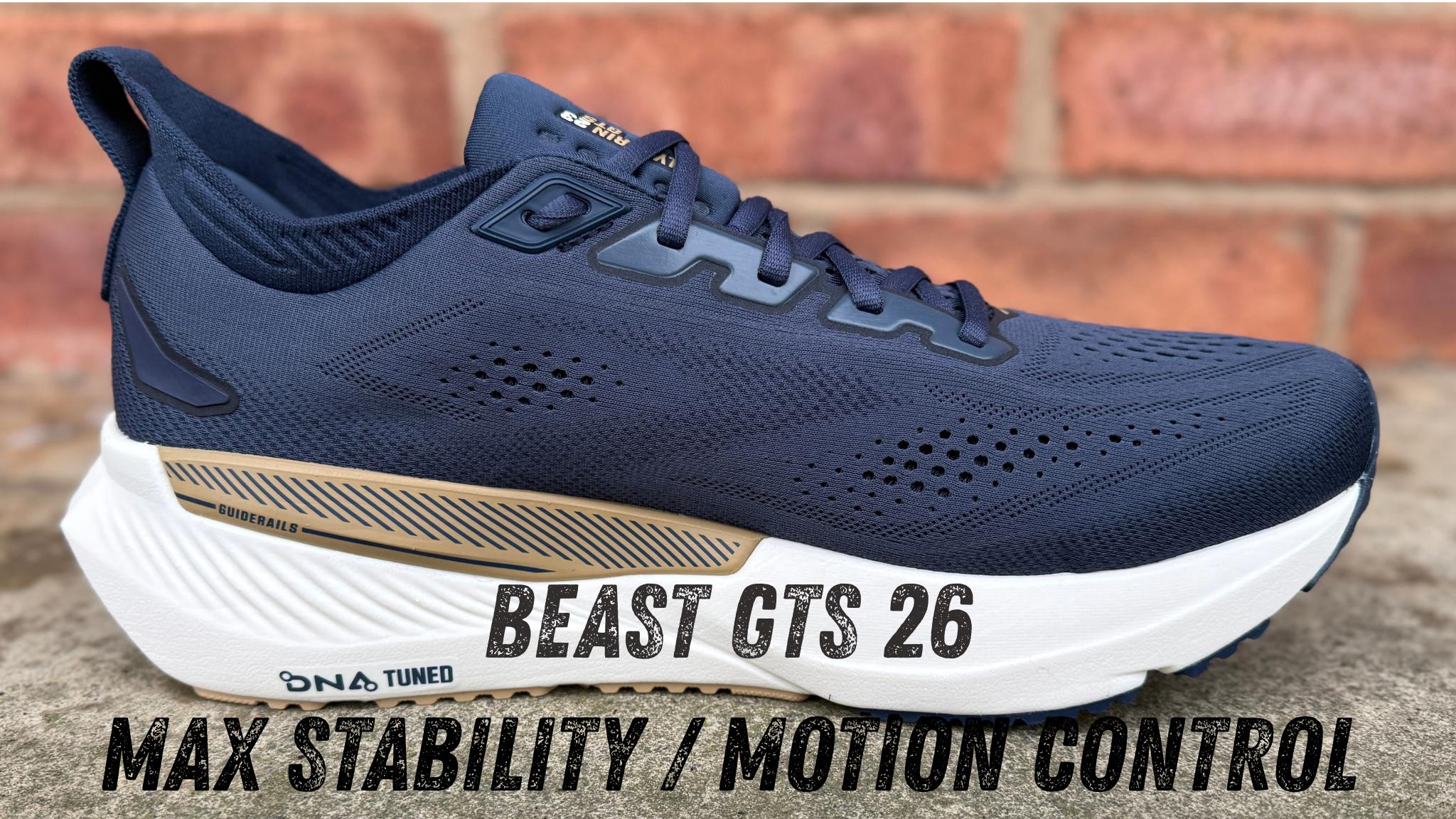
Whereas the Adrenaline features only the GTS features, the Beast has more elements of control in its overall construction.
The Adrenaline GTS offers a mild level of control for overpronation and copes well with a relatively wide range of runners.
The Beast features the GTS system of control as well as –
These features all actively contribute to controlling the motion of the foot from the initial impact to toe-off.
Similar features exist in models from other brands. Notably, the Guide and Hurricane from Saucony. The Guide is the milder stability model, and the Hurricane more motion-control model.
Look for additional features such as a straighter last, stronger heel counter and firmer midsole to determine the difference between stability and motion control models.


Leave a Reply