By Paul Freary
Flat feet are often associated with stability running shoes, medial posts and extra arch support. But for runners with flexible flat feet, choosing the right shoe isn’t simply a case of opting for the most supportive model.
A flexible flat foot has an arch that lowers under load but reappears when the foot is unloaded, such as when sitting or raising the heel. This movement is a normal part of foot function. The key question is whether the runner is comfortable or experiences symptoms that might benefit from a change in footwear.
If you click, or buy from, links on this page, we may receive compensation. Learn more
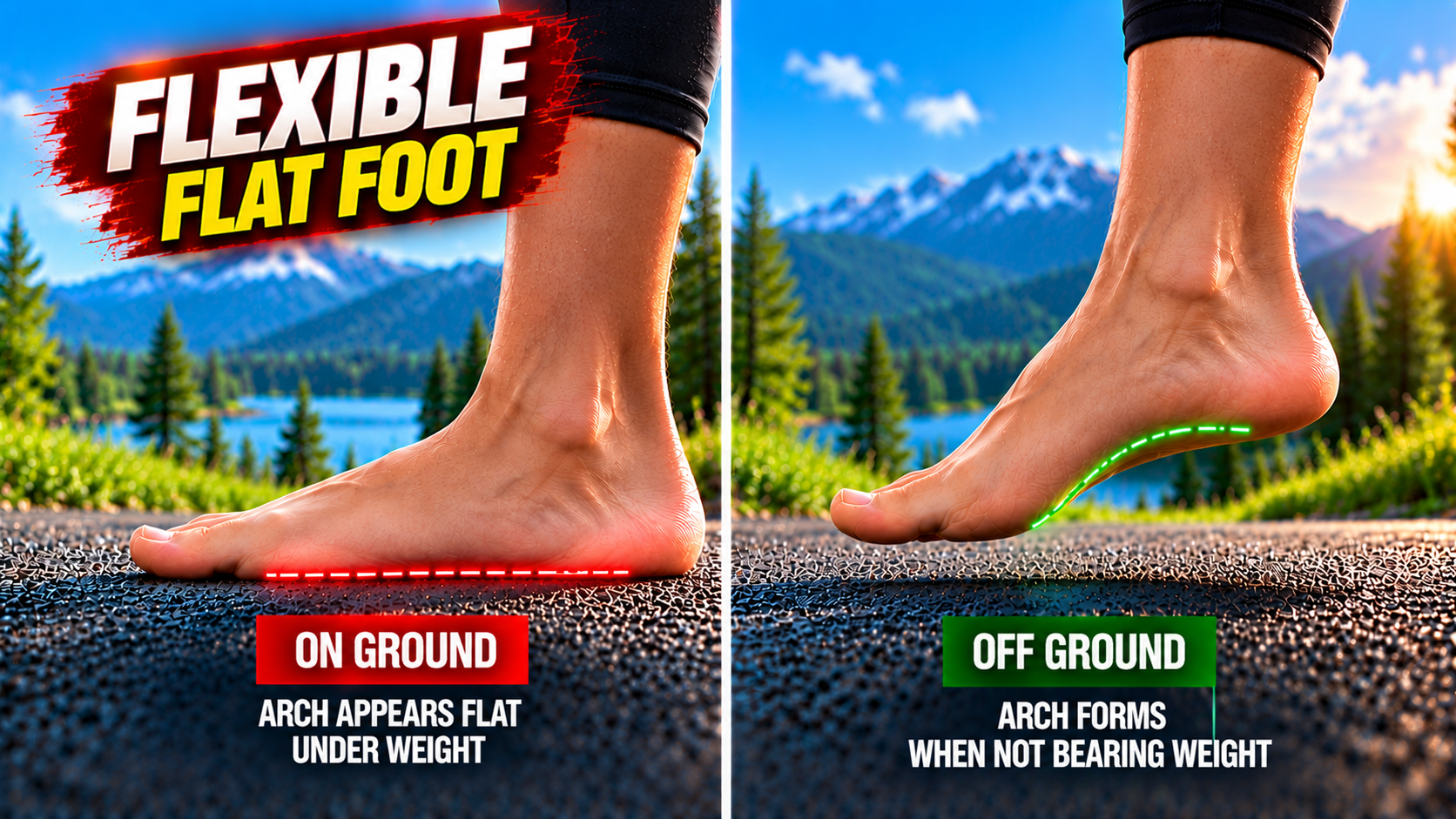
Understanding the Flexible Flat Foot
During running, the foot naturally adapts to the ground before pushing off again. Pronation is part of this process, helping the foot accommodate the surface and distribute forces.
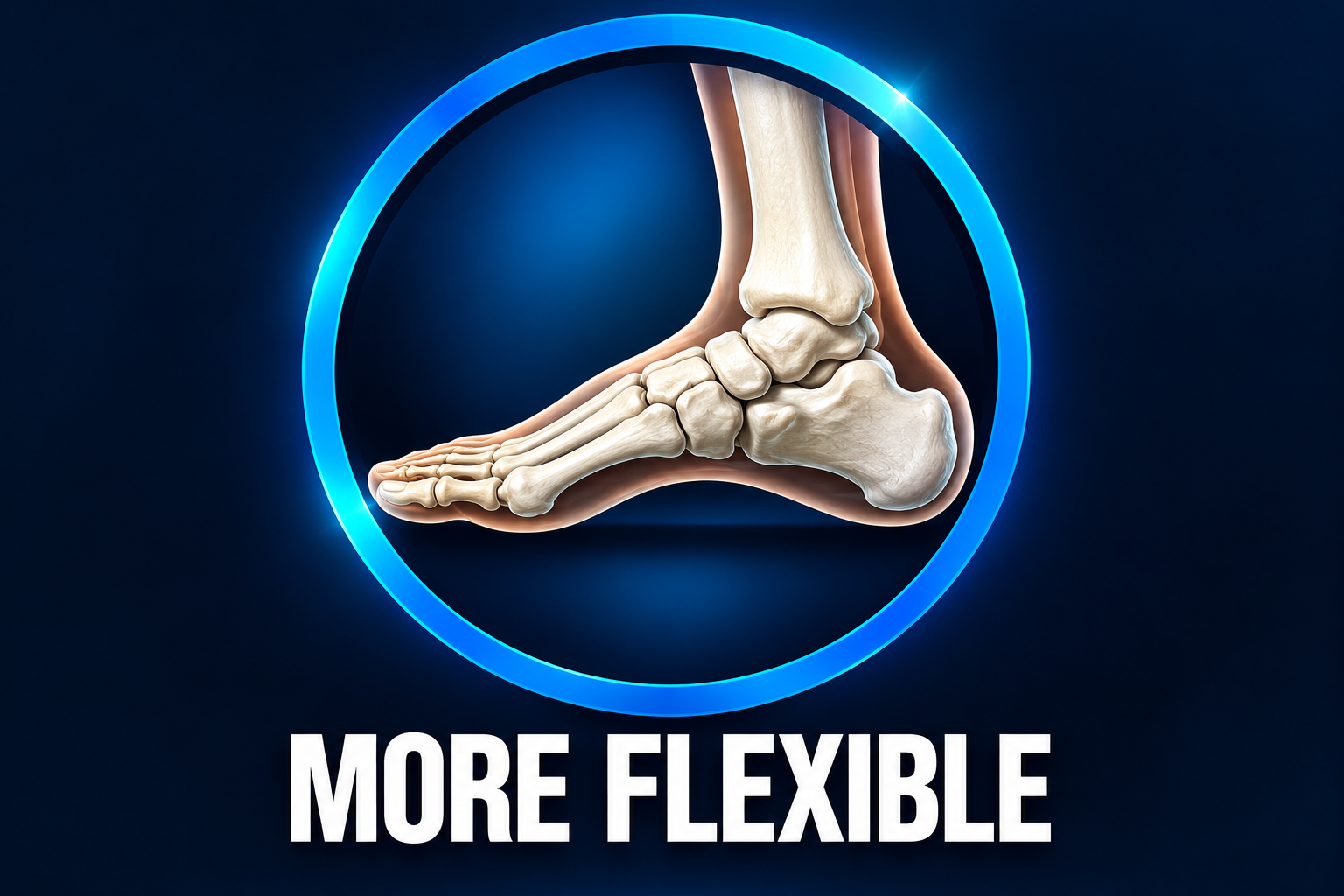
Some runners with flexible flat feet demonstrate greater inward movement at the ankle or lowering of the arch during stance, commonly described as overpronation. Others have low arches but run comfortably without any issues.
Foot shape alone doesn’t determine which shoe you need.
Consider how your feet feel and function, rather than choosing footwear based solely on the height of your arches.
Do you Need a Stability Shoe?
Stability shoes offer a more guided or supportive platform. Depending on the design, this may include a wider base, midsole sidewalls or a medial post.
A flexible flat foot doesn’t automatically require a stability shoe. Comfort and individual response are important considerations, and a neutral shoe may work perfectly well if you run comfortably in it.
A stability model may be worth trying if you find that a more structured platform feels more comfortable or secure.
Understanding Medial Support
Medial support is a common feature in running shoes designed for runners who prefer additional guidance. A medial post provides a firmer area beneath the inner side of the foot, while other designs use broader platforms, sidewalls or midsole geometry.
When trying a shoe, consider whether it offers -
Remember, medial support doesn’t correct the underlying foot structure or permanently change the shape of the arch. It influences how the foot moves within the shoe.
Cushioning and Midsole Design
Flexible flat feet don’t automatically require maximum cushioning. The aim is to find a midsole that feels comfortable while providing an appropriate level of stability.
Consider the following when trying shoes -
Best Running Shoes for Flexible Flat Feet
These three models are worth considering if you’re looking for a combination of cushioning and guidance. The best choice will depend on your preferred fit, comfort and the level of support you find useful.
1. Brooks Glycerin GTS 23
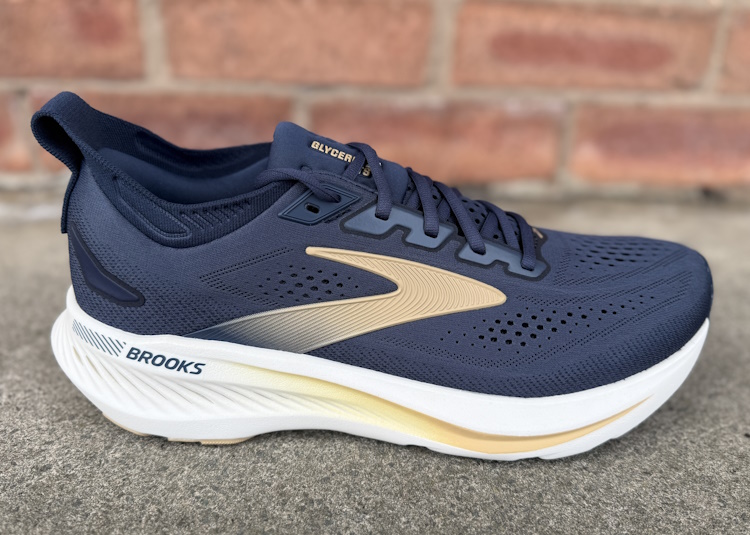
A cushioned stability option for runners who want a comfortable ride with additional guidance. A good combination of cushioning and control, the Glycerin GTS is a versatile support category shoe for a wide range of foot types.
2. Saucony Guide 19
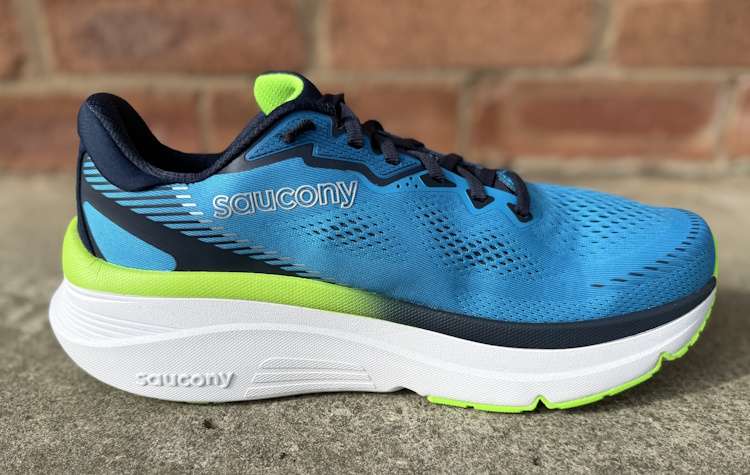
A daily running shoe designed to combine cushioning with stability features. Consider it if you want a guided ride without choosing a more overtly corrective shoe. The Guide 19 feels ‘naturally balanced’ making it an easy to get along with model.
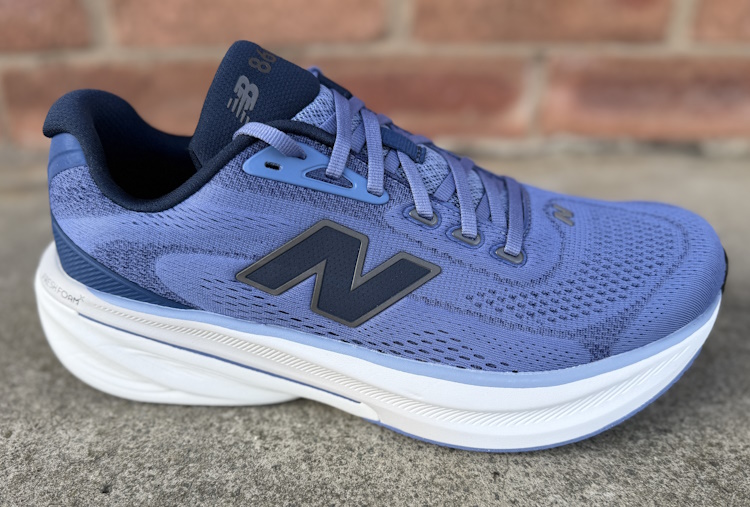
3. New Balance Fresh Foam X 860v15
Also Available at
Zappos ; REI ; New Balance
The 860v15 is a stability-oriented daily trainer that combines cushioning with a more structured platform. It may suit runners who prefer a secure, supportive feel for regular training.
My Verdict
For flexible flat feet, the aim is to find a shoe that accommodates natural movement rather than trying to eliminate it. A neutral shoe may be ideal for one runner, while another may prefer the additional guidance of a stability model.
Prioritize comfort, fit and how the shoe feels when running. If you experience persistent pain or a noticeable change in foot function, seek advice from a qualified healthcare professional rather than relying on footwear alone.


Leave a Reply