By Paul Freary
To answer this question, we first have to explain why you might require a stability shoe.
A stability-type running shoe is designed to keep the foot in a neutral position while running. If your feet naturally overpronate, a stability shoe will help.
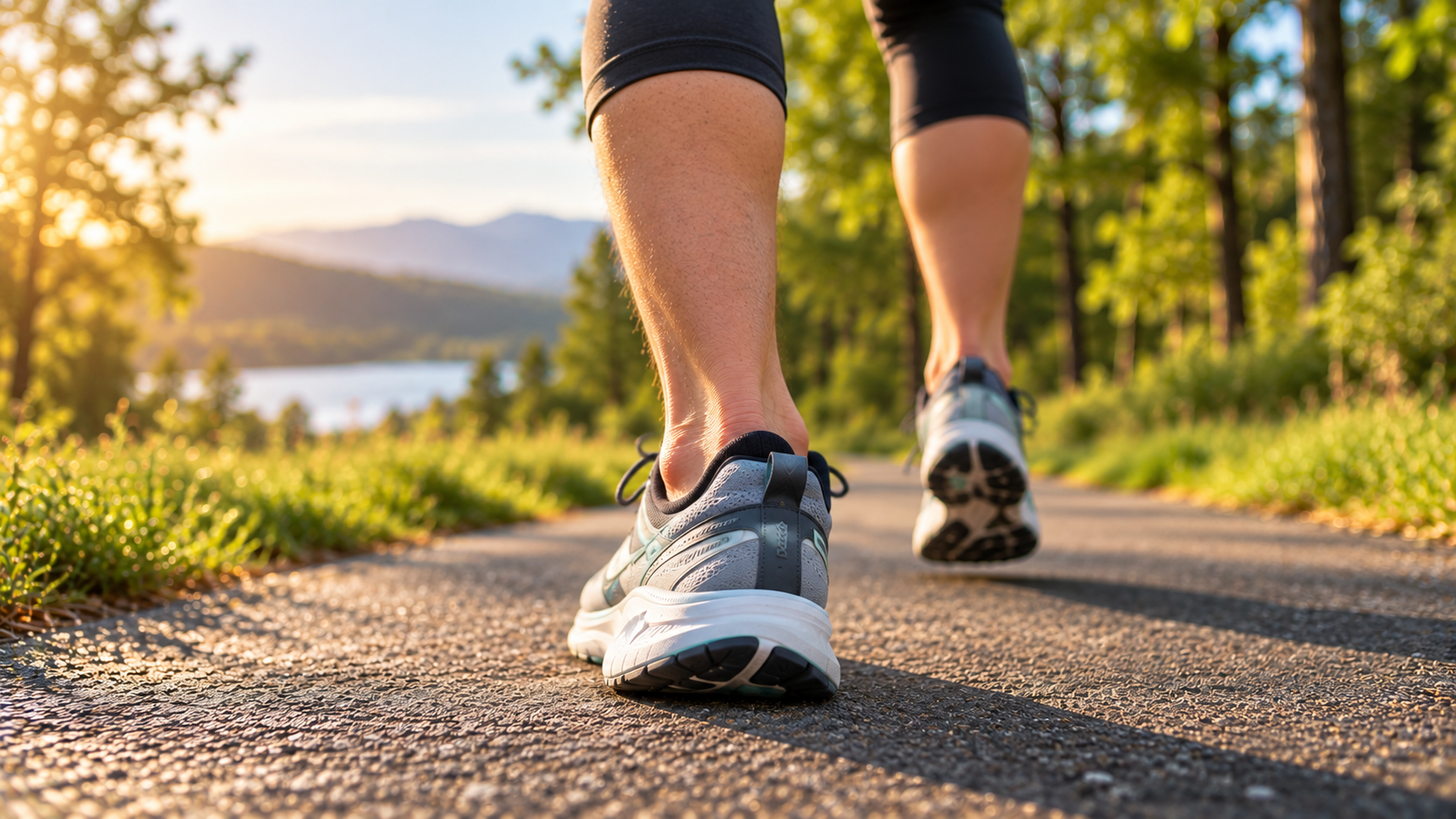
Foot Rolling Inward - Overpronation
Running shoe brands use different methods to control overpronation. Medial posts, broader platforms and plastic elements can all be used in footwear to reduce pronation.
Key Points that Make Stability Shoes Feel Uncomfortable
Previous Running Shoes
If you have previously been used to running in a neutral shoe while overpronating, moving into a stability model can feel a little restrictive.
Neutral shoes feel generally a little softer and more flexible than most stability versions. This is noticeable for some runners, but generally, most become adapted to the new stability shoe in a matter of days or at most, a couple of weeks.
Ensure you have a control shoe that meets your individual needs rather than opting for the most controlling models to help ease the transition to stability shoes.
Cushioning
Many people think that opting for a stability shoe means you sacrifice cushioning. This is generally not the case, with stability shoes using the same or very similar cushioning as their neutral counterparts.
Some elements of the stability shoe may feel a little firmer at first, but again, given a few runs and you should easily adapt.
Shape and Fit
Some stability shoes can be a little straighter lasted than neutral versions. This straighter shape contributes to the stability, but again, can feel unusual at first.
The additional elements of control such as GuideRails can sometimes feel intrusive under the arch of the foot. It is important to choose the correct width (as well as length) of the shoe to ensure a good fit and minimize the possibility of friction here.
Brooks Beast - A Great Shoe
But Uncomfortable for Some
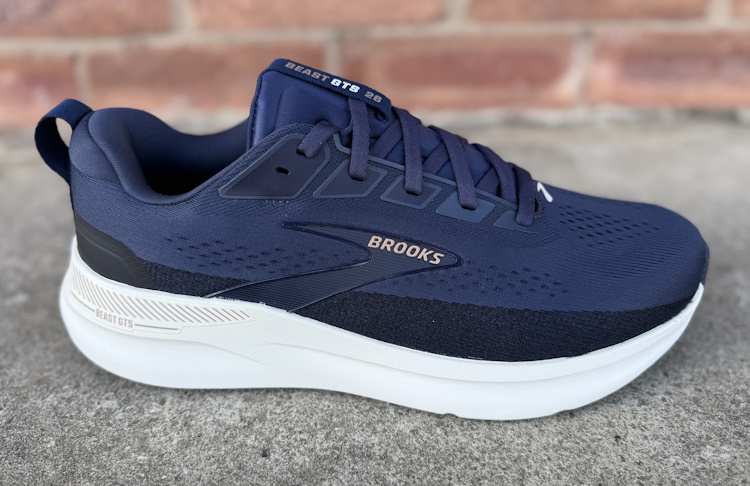
To highlight possible features of a stability or motion control shoe that might feel uncomfortable, I have shown below the Brooks Beast GTS 26.
It should be noted that this is a great shoe and very effective at reducing overpronation. I am using it in this example as it features several control elements to be aware of.
There are:
All these elements help make the Beast GTS 26 one of, if not the most supportive shoe on the market today, but could contribute to making the shoe feel very different to your current model.
Seek gait analysis from a specialist running store to help find the best shoe for your needs, and try on a treadmill in store if you can to help find the most comfortable shoe.


Leave a Reply