By Paul Freary
A medial post is the term used to describe a firmer element used in the cushioning of a running shoe.
This medial post sits under the arch, on the medial (inside) side of the foot.
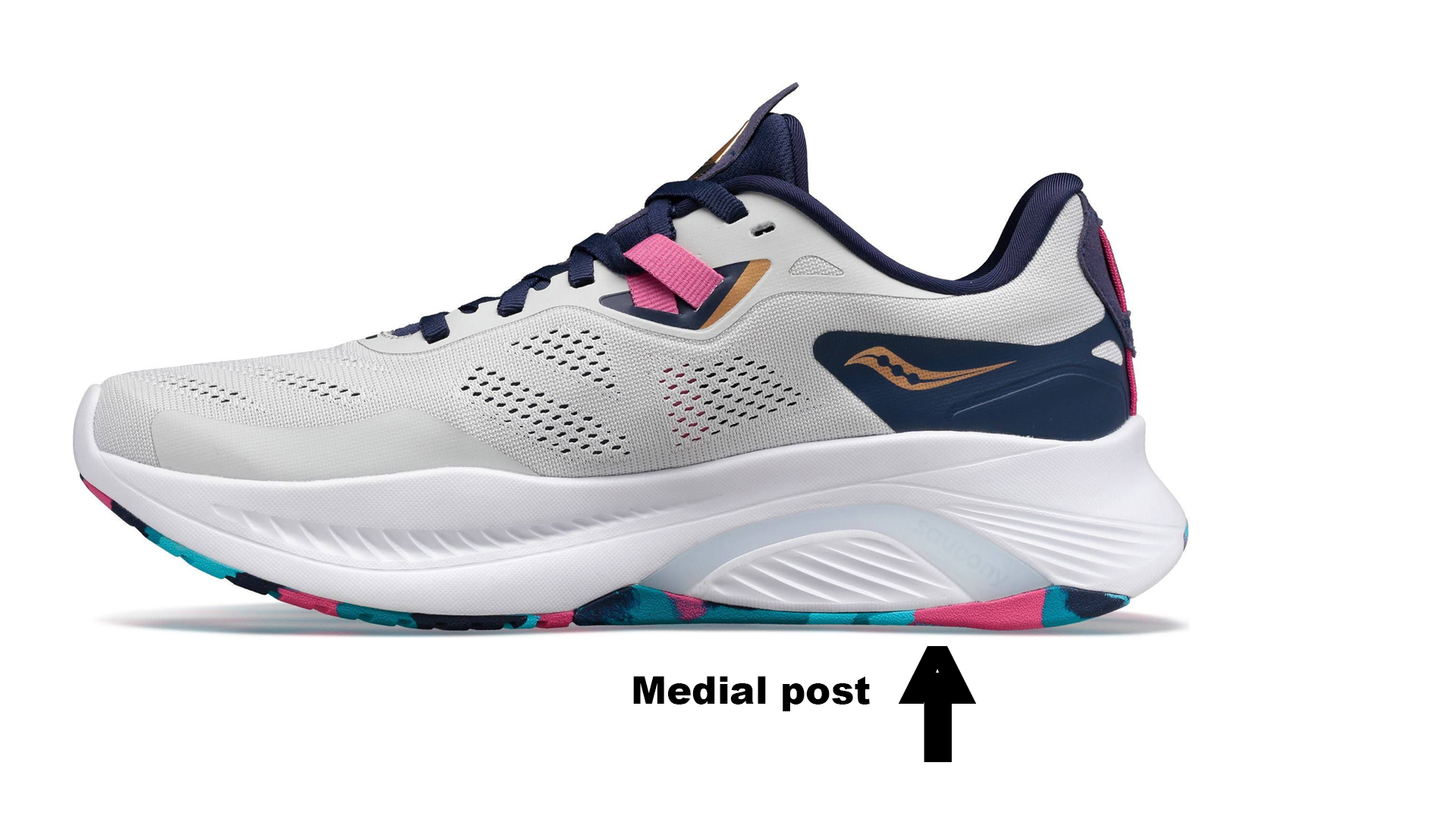
The function of the medial post is to reduce excessive pronation.
Overpronation is simply the excessive inward roll. No set degree of measurement indicates excessive overpronation. For me, when using rear-view video to analyze a runner’s rate of pronation, I find the best measure is if a runner has lower limb aches or pains and excessively ‘rolls’ to the point that the runner themselves can immediately see the rate of pronation (after my explanation), then they are indeed overpronating.
Alternatives to Shoe Medial Posts
While a medial post is an effective method of reducing the rate of overpronation, in recent years technology has found methods that are more effective, lighter and less intrusive to control pronation.
A medial post was a firmer section of cushioning, so it tended to provide an all-or-nothing approach to control. The foot rolled in, hit the post and stopped the roll.
The following methods are great examples of modern technology in running shoes that control overpronation.
Stability Systems of Popular
Running Shoe Brands
Brooks - GuideRails
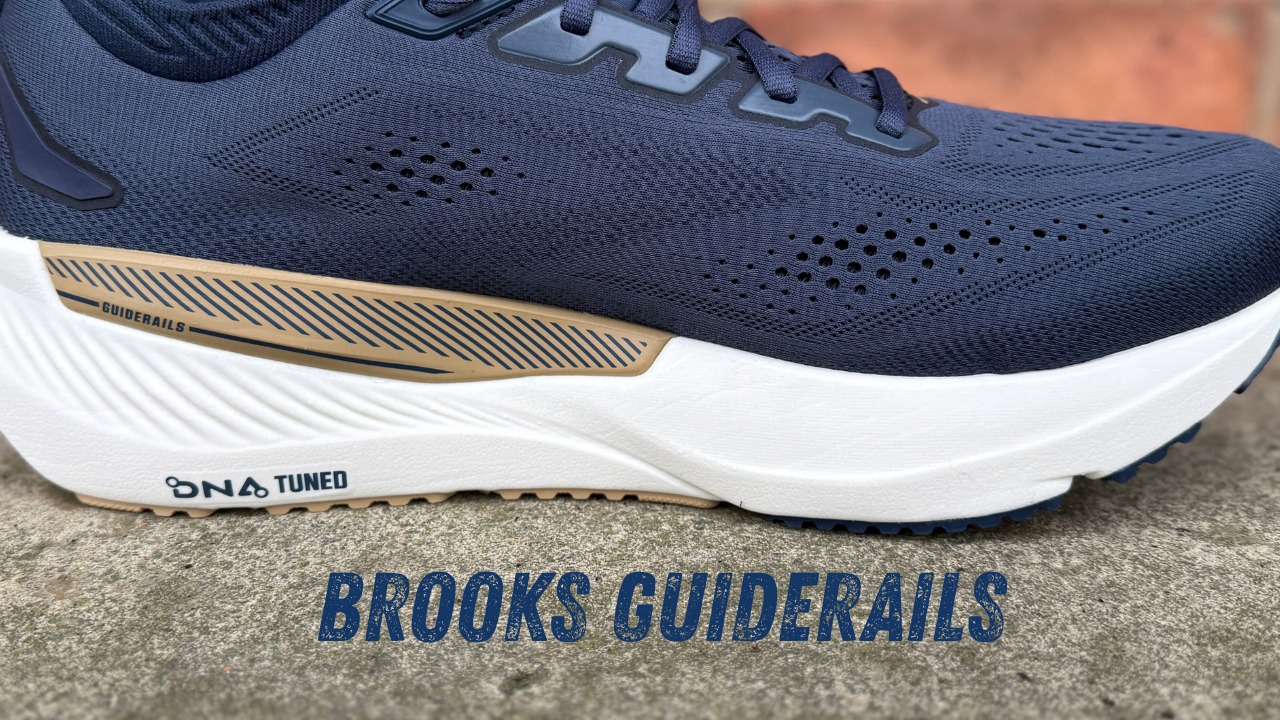
The GTS system from Brooks takes the form of extended elements of the midsole cushioning that rise up around the rearfoot of the shoe.
Acting a little like the rail at a bowling alley, which keeps the ball within the lane, if the foot rolls outwards (supinates) or inwards (overpronates) the GuideRails prevent the foot from rolling too far to either side. They keep the foot sitting centrally within the midsole cushioning and prove to be effective without being intrusive.
New Balance – Stability Plane
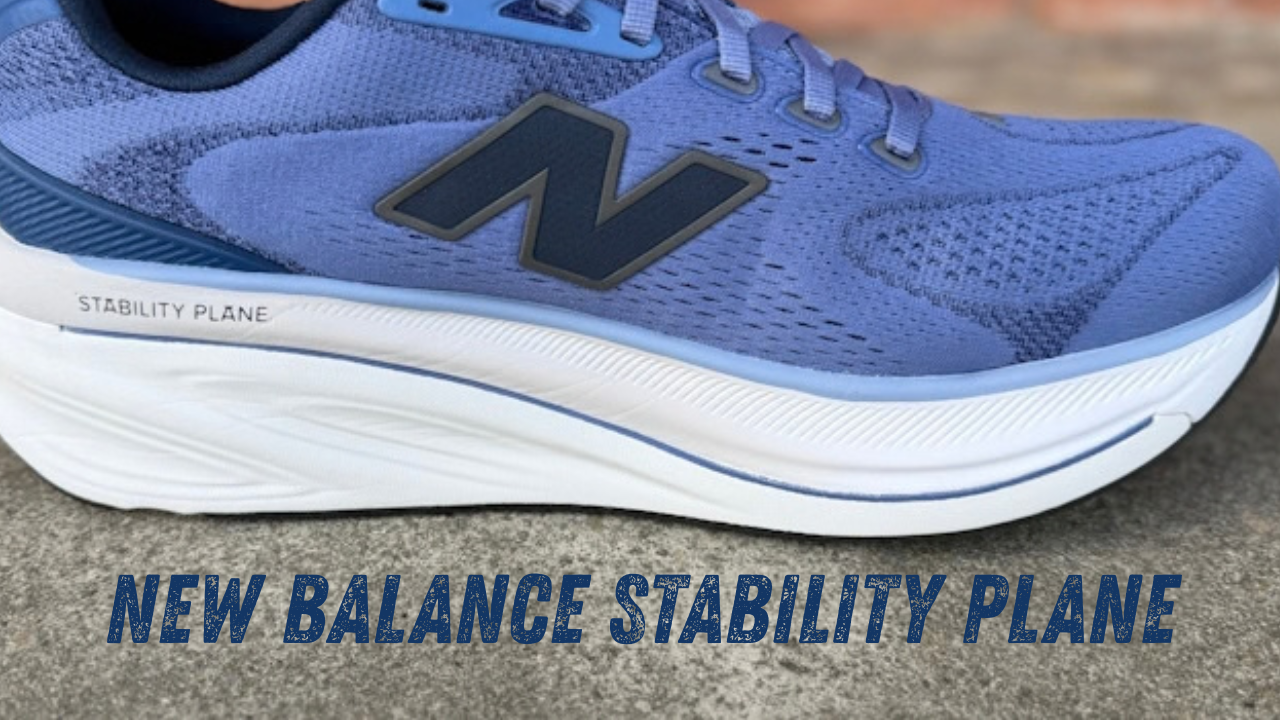
The New Balance stability Plane is a combination of dual-density midsole foams and a thin, plastic element running the length of the midsole between the twin layers of foam. A slightly firmer foam runs the length of the shoe on the medial side of the shoe, with more of the softer foam on the lateral side. These layers are spliced together in a manner which, when running, gently balances the foot.
The thin plastic ‘plane’ runs between the two elements of cushioning and is longer on the medial side of the shoe. This stiffens the shoe slightly and encourages a neutral gait.
It is a highly effective combination of elements to reduce overpronation.
Saucony - CentrePath Technology
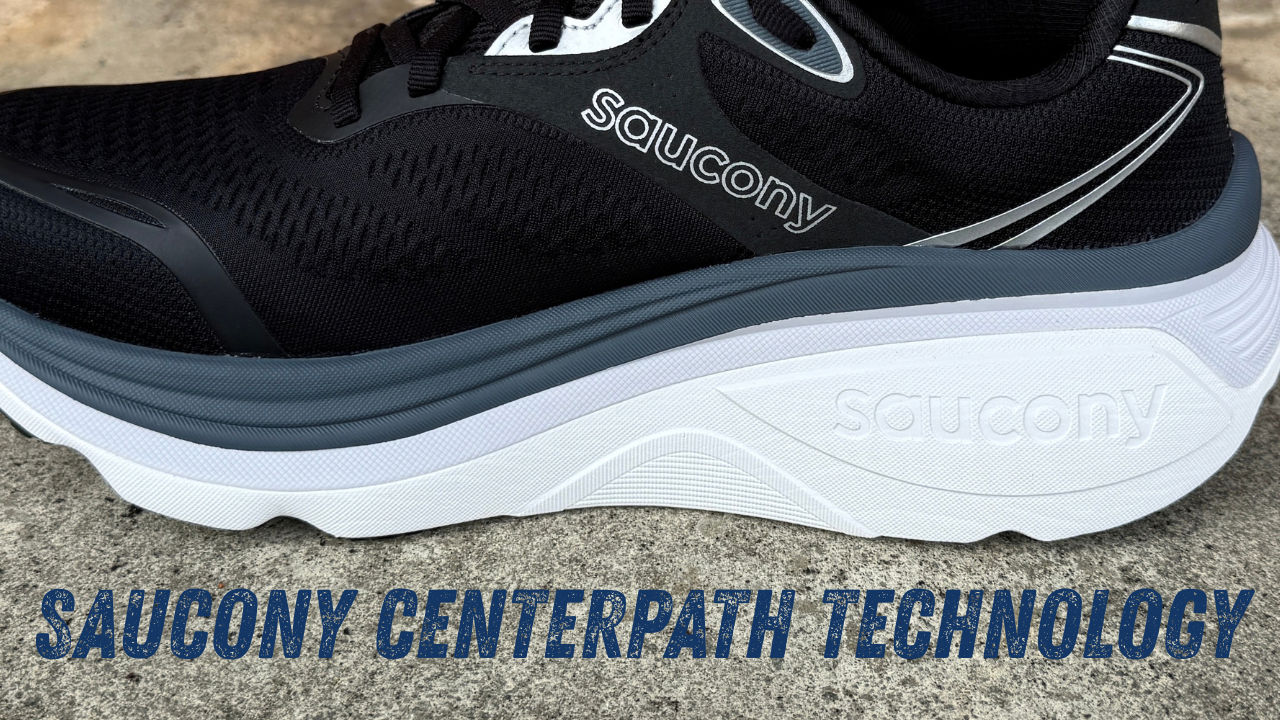
A little like the Brooks system, the Saucony CentrePath Technology uses a combination of side walls, a slightly straighter and flared medial aspect of the midsole cushioning and a sculpted geometry to the midsole to keep the foot in a neutral stance. All these elements are subtle yet combine to create a very stable shoe that controls while feeling natural.
Effective Methods in Controlling Overpronation
The effect of these alternative methods of controlling overpronation results in shoes which feel more natural to run in, are lighter and offer a much more balanced method of providing control.


Leave a Reply