Nike was so keen to remind the world that the Vaporfly was the original super shoe that it stamped exactly that on the side of this latest update. To some degree, the Vaporfly 4 rolls things back, bucking the biggest-stack trend and opting for a midsole that’s now lighter, firmer and snappier. It also now cuts a more distinct shape to the more-cushioned Nike Alphafly 3.
So is the Vaporfly back to its best? Let’s get into it, in my Nike Vaporfly 4 review.
If you click, or buy from, links on this page, we may receive compensation. Learn more

Stack Height, Drop, Weight and Price
The Nike Vaporfly 4 cuts 5mm from the heel and 3mm in the forefoot versus the Vaporfly 3. So you’ve now got 35mm in the heel and 29mm in the forefoot for a 6mm drop.

It’s a big chunk lighter, too. In fact it’s the lightest model in Vaporfly history. The Vaporfly 4 weighs in at 5.2oz or 148g in my US men’s size 9.5. That’s more than an ounce lighter than its predecessor.
On price we’ve seen a small bump up. It’s now $260. Ten bucks pricier than the ASICS Metaspeed Sky Paris but still not the most expensive carbon race shoe.
Stats
NIKE | Vaporfly 4 |
|---|---|
Best for | Race / Fast training |
Support | Neutral |
Cushion | Medium cushioning |
Stack Height | 35mm heel |
Drop | 6mm |
Weight | 5.2oz / 148g |
Suggested Retail Price | $260 |
Fit | True to size |
Rating | 9.5/ 10 |
Design
At first glance, the Nike Vaporfly 4 overall super shoe package remains the same with a ZoomX midsole, a carbon Flyplate and light breathable uppers, all in a compact, racy, lightweight package.
But in an interesting departure from the trend to max out the stack at the race-legal 40mm limit, Nike has cut the amount of ZoomX foam underfoot. That allows for big weight savings. It also changes the ride from the softer-stack Vaporfly 3.
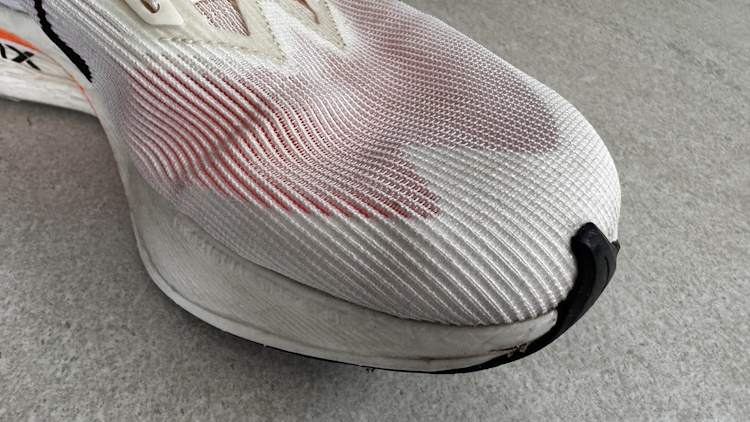
There’s also a reshaped FlyPlate carbon plate that now has a more aggressive curve and the shoe is wider in the midfoot section.
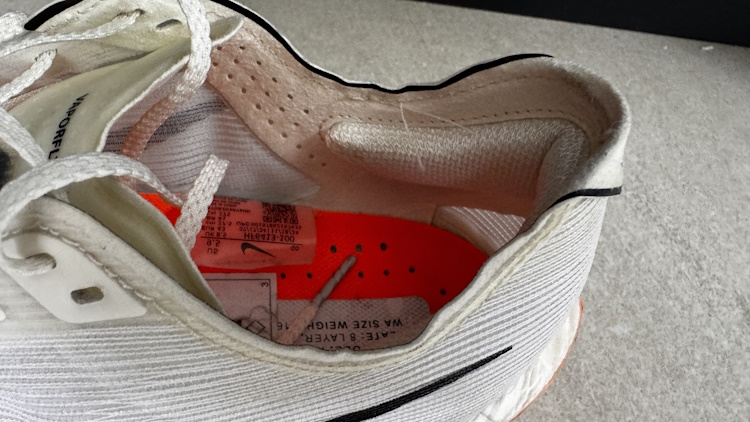
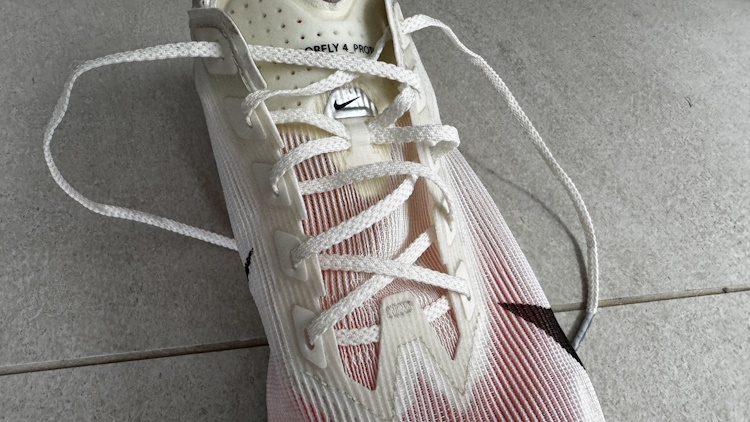
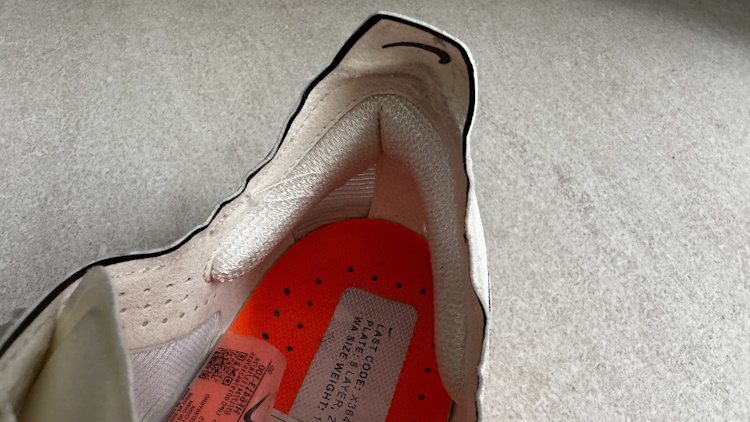
Up top the highly perforated Flyknit has gone and there’s a brand new light engineered mesh upper. The heel collar package stays largely the same with small internal pads. There’s an added heel tab to help you slip them on. The lacing is no longer offset but the flat-wrapping race tongues are very similar with a little padding to help avoid lace pinch.

The outsole sports a good covering in the forefoot and two small pads on the heel impact zones. Nike as made more weight savings with a thinner outsole and there’s now a bigger central channel in the midsole.
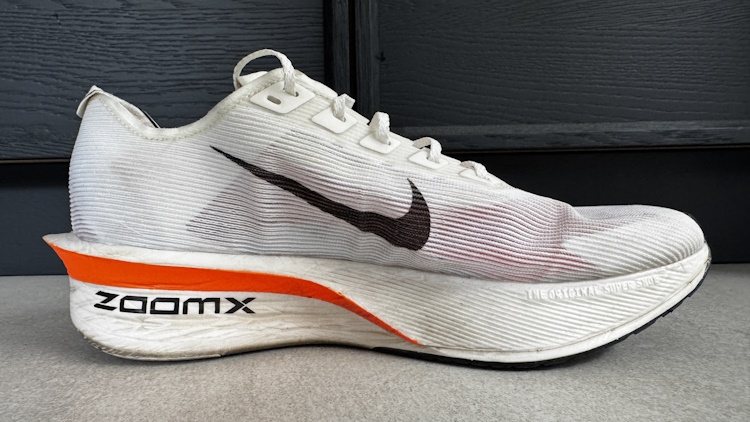
NIKE Vaporfly 4
Shop Now at
Fit
In testing I ran in a US 9.5 which is my regular size in Nike shoes and I felt the fit was good overall with a good balance of hold and flex. The uppers wrap nicely but move and flex with your foot, so though the fit is race-hugging, they avoid feeling cramped like some carbon race shoes can.

At times where I didn’t pay enough attention to lacing, I had a little heel slipping, but I could fix that by lashing things down more precisely.
Overall I found the fit worked well. I like the slightly more accommodating midfoot here that’s been changed from tis he Vaporfly 3 and I’d recommend going true to size.
Performance
In testing, I’ve logged around 20 miles in the Nike Vaporfly 4. I did an all-out 10 mile race at the Sonia O’Sullivan Cobh 10 miler in Ireland where I ran 62 minutes and set a 10-mile PB. I’ve also done a shorter 10km tempo and some slower miles to test how the shoe feels when you’re not attacking the run.
I like what I see from the updates here. I’m a fan of the lower stack and the general lightness and raciness. I think this latest Vaporfly sits somewhere between the stiffer, snappier, more direct ride of the earlier first and second-gen Vaporfly shoes and the squishier Vaporfly 3.
The Vaporfly 3 may have brought more accommodating softness that made it a more accessible shoe that was better on tired legs and ragged form. But I found it a bit too mushy. It lost some of its all-out edge and I preferred other stiffer shoes, like the ASICS Metaspeed Sky Paris for pushing for my fastest times.
The lower stack and the tweaked plate offer a better balance. The shoe feels light and fast, you’ve got a good connection with the road underfoot but without being too harsh.

Some people will almost certainly want more cushion for the marathon distance, but I personally think if you don’t mind more ground feel, you could race 26.2 in this shoe.
On other test runs when I dropped back to slower than marathon pace, I also felt they looked after me ok. I didn’t feel too exposed.
While some carbon race shoes Adios Pro 4, HOKA Cielo X1 2 and the Saucony Endorphin Elite 2 can require a bit of extra mental energy to control the softer and wilder midsole, the Vaporfly 4 serves up more reliable landings and smooth transitions feel smooth.
On durability, 20 miles is still early days but I am seeing some cutting of the foam in the heel section. Nothing drastic but noticeable. Though the uppers feel more sturdy than the Vapor 3 flyknit.
My Verdict
Nike labels the new Vaporfly 4 as a versatile racing shoe with the range to cater for everything from the mile to the marathon – a common do-it-all claim for running shoes.
Runners who like race shoes that are snappy, responsive and closer to the ground will certainly find they can run 26.2 in the Vaporfly 4. But plenty will find the Vaporfly sweet spot is going all-out for anything up to the half marathon.

If you’re looking for protection and cushion for the last miles of a 4-hour plus marathon, you might be better off choosing a more cushioned carbon shoe like the Alphafly 3. Or perhaps a non-carbon shoe.
If you liked earlier versions of the Vaporfly and found the Vaporfly 3 too mushy, the Vaporfly 4 is a step back in the direction of the first and second-gen shoes. They’re lighter, more minimal feeling, a bit closer to the ground and connected, with some added firmness and snap to the ride.
While this is a shoe that’s built well for racing fast but I don’t think they’re quite as punchy as the ASICS Metaspeed Sky Paris, they’re certainly not as ‘bounding’ as the Adidas Adios Pro 4 or the Saucony Endorphin Elite. And they don’t offer the efficiency of the new Puma Fast-R3. But they’re much more controlled than those last three shoes.
They’re smoother and more natural, and with that lower stack, and lower profile design, they offer something a bit different to those shoes. It’s a difference that I really like.


Leave a Reply