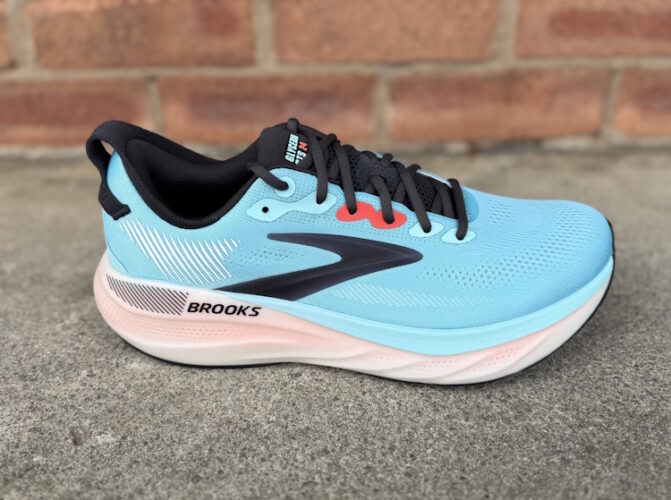
By Paul Freary I’ve worn the Glycerin GTS, and it’s neutral relative, the Glycerin, as part of my daily rotation of shoes for at least five years. Many years ago, in the times of compression-molded EVA midsoles, I did opt for support-type shoes to control a mild overpronation.But as cushioning improved, I found myself more […]
Brooks Glycerin 24 Review – Big Miles Daily Trainer
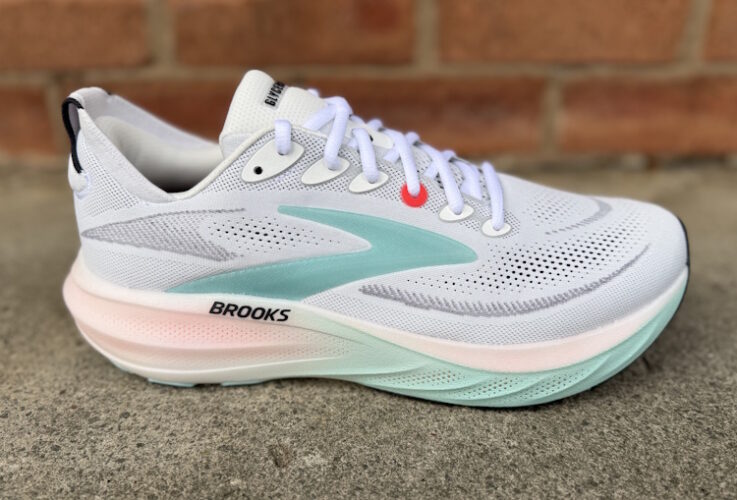
By Paul Freary The previous version of the Glycerin, the 23, was one of my favorite cushioned daily trainers.The brand’s DNA Tuned, nitrogen-injected foam midsole used a unique blend of soft rearfoot cushioning with a more responsive forefoot ride.The updated Glycerin 24 sees the introduction of a new midsole foam blend from the brand to […]
4 Best Brooks Shoes for Plantar Fasciitis

By Paul Freary One of the most common injuries or conditions that people ask me about as a running shoe specialist is Plantar Fasciitis.Here we’ll cover the best Brooks running shoes to help you manage it.I’m Paul, and I own a specialist running store in Preston, England. I have over 25 years of experience in […]
Brooks Glycerin Max 3 Review – Max Cushioned Daily Trainer

By Paul Freary The Glycerin Max has now established itself as one of the best, premium, max-cushioned daily trainers on the market. The deep stack of plush, responsive foam makes it a go-to for easy running. This third-generation model updates the midsole cushioning to improve the ride, making the shoe lighter and more welcoming.If you […]
Saucony Hurricane 26 Review – Lightweight, Max Support Shoe for Overpronators
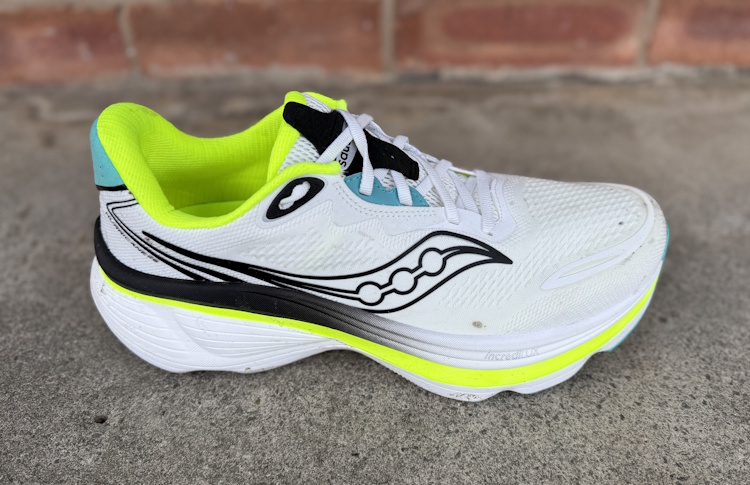
By Paul Freary The Saucony Hurricane 26 is a max-cushioned stability shoe designed for runners who require high levels of control and stability, and at the same time want plenty of protection underfoot without sacrificing a smooth, natural-feeling ride. Priced as the brand’s premium shoe in this category, it offers a step up in comfort and […]
Which Running Shoes are Best for Flexible Flat Feet?
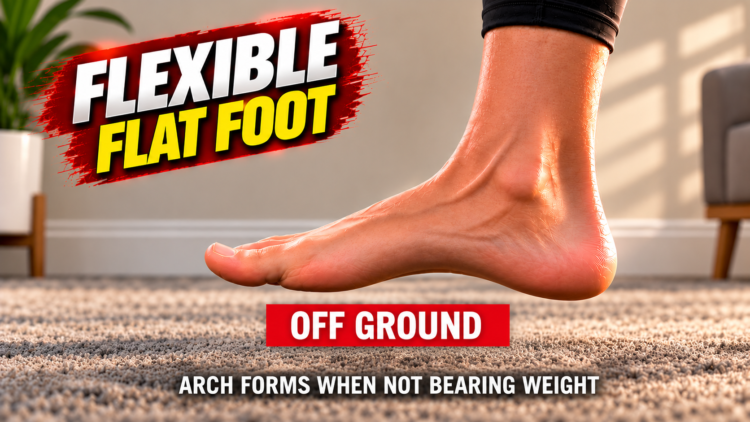
By Paul Freary Flat feet are often associated with stability running shoes, medial posts and extra arch support. But for runners with flexible flat feet, choosing the right shoe isn’t simply a case of opting for the most supportive model.A flexible flat foot has an arch that lowers under load but reappears when the foot […]
What Type of Running Shoes are Best for Rigid Flat Feet?
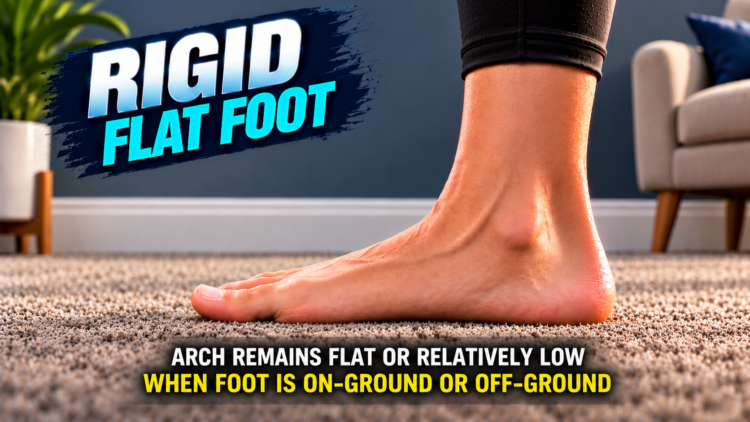
By Paul Freary Having flat feet doesn’t automatically mean you need a stability running shoe. In fact, understanding whether your feet are rigid or flexible can make a real difference when choosing the right pair.A flat, rigid foot presents a different set of considerations from a flat, flexible one.If you click, or buy from, links […]
Stability and Motion Control Shoes – What’s the Difference?
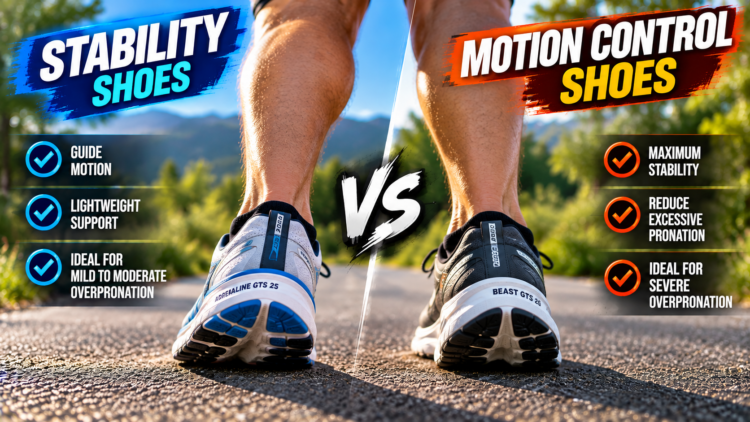
By Paul Freary Stability and motion control shoes have existed for many years. Their aim is to control the rate of pronation. Here I will try to explain what pronation is, why it matters and which type of shoe, a stability or motion control type shoe is best for you.What is Pronation?Pronation is the natural […]
Why Do My Stability Shoes Feel Uncomfortable?

By Paul Freary To answer this question, we first have to explain why you might require a stability shoe.A stability-type running shoe is designed to keep the foot in a neutral position while running. If your feet naturally overpronate, a stability shoe will help.Foot Rolling Inward – OverpronationRunning shoe brands use different methods to control […]
Why Modern Stability Shoes Don’t Always Have a Medial Post – Different Support Options
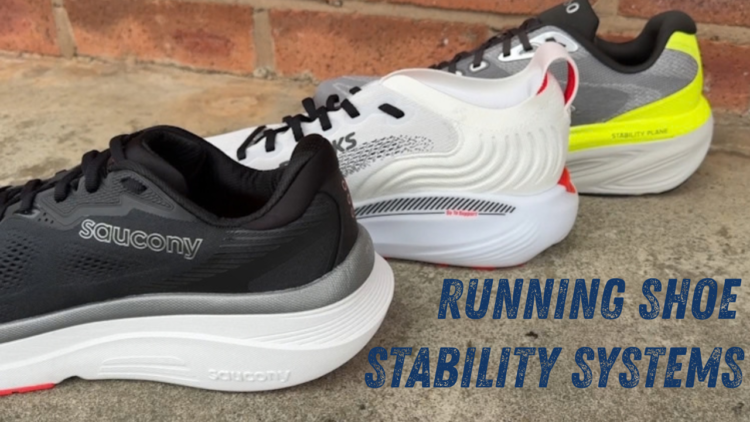
By Paul Freary A medial post is the term used to describe a firmer element used in the cushioning of a running shoe.This medial post sits under the arch, on the medial (inside) side of the foot.The function of the medial post is to reduce excessive pronation.Overpronation is simply the excessive inward roll. No set […]
- 1
- 2
- 3
- …
- 30
- Next Page »


