By Paul Freary
Brooks offers several footwear solutions that are not only great for a variety of runners, but also for various foot types. Their GTS models feature the brand’s GuideRail Technology System.
The GuideRail system is designed to offer dynamic support and control for pronation and to some extent supination.
Before looking at the brand’s GTS models, let’s first take a look at some of the things to consider alongside flat feet.
If you click, or buy from, links on this page, we may receive compensation. Learn more
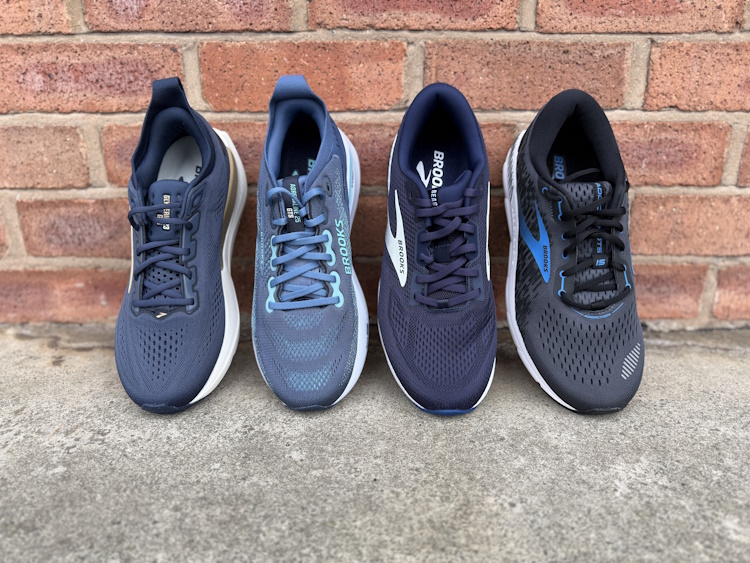
Brooks GTS Shoes for Flat Feet
Now that we understand flat feet and some of the associated injuries or conditions around them, let’s look at the Brooks shoes that are suitable for flat feet.
The brand’s GTS family of shoes are great for varying levels of support and, in particular, for flat feet.
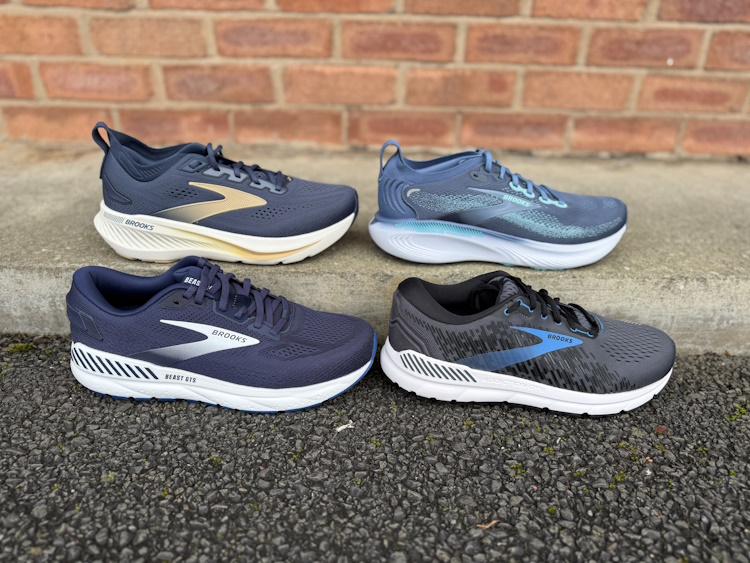
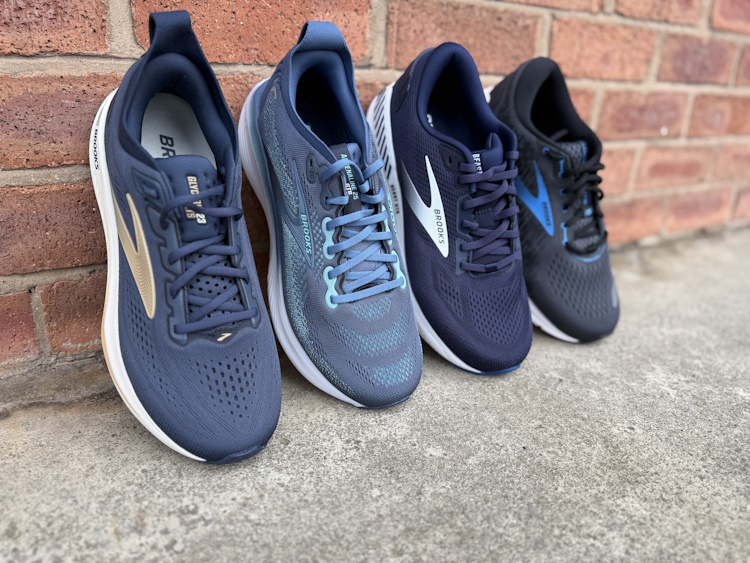
1. Brooks Glycerin GTS 23
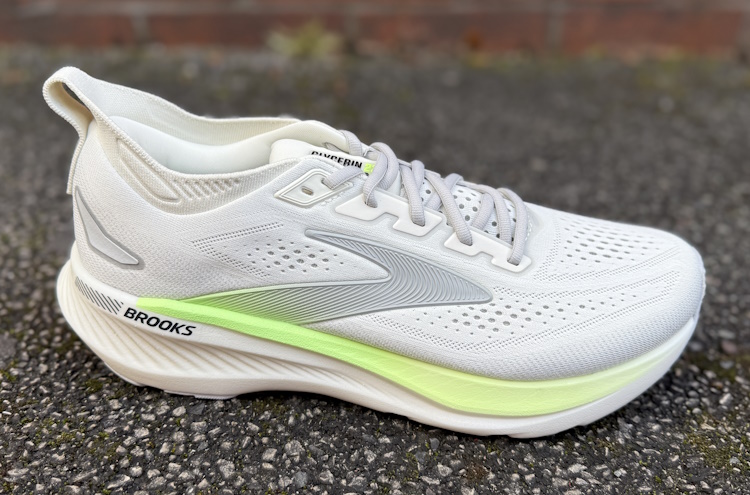
Brooks’ premium cushioned support model. Packed with the brand’s latest technology in cushioning for a super-smooth and supportive ride.
The Glycerin GTS 23 is the brand’s range-topping support shoe featuring the GuideRail Technology System and DNA Tuned, nitrogen-injected cushioning.
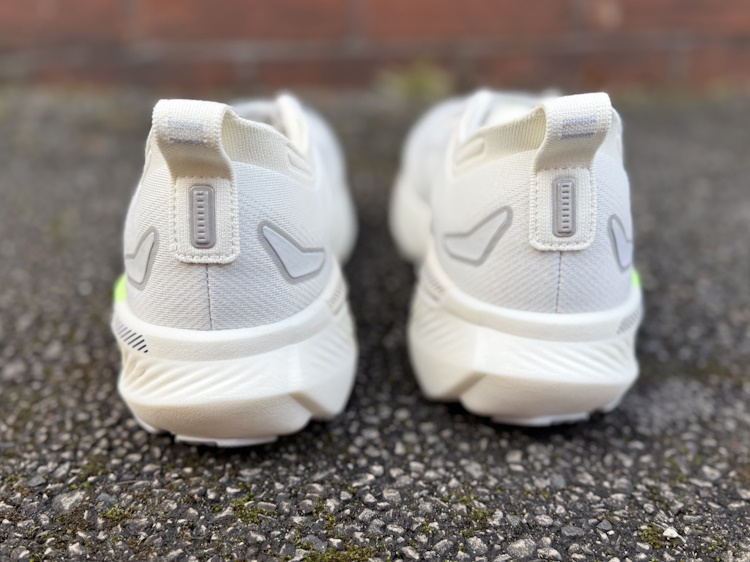
The geometry of the midsole has been tweaked a little, too. The lateral side wall is more concave, and the medial side wall is a little more convex, sitting a little prouder. These small changes, along with the lower heel-to-toe drop, give the shoe a more balanced ride and aid the overall stability.
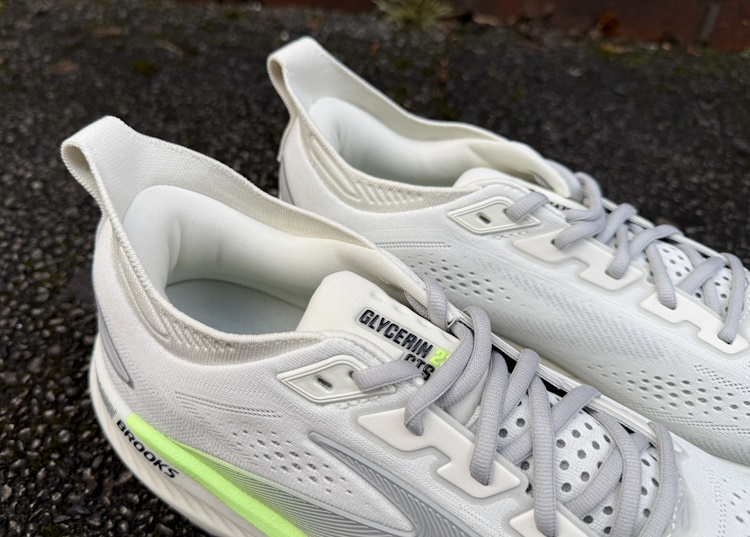
The broad base of the Glycerin GTS 23 makes it an accommodating model, and many runners with flat feet enjoy the fit, cushioning and durability it provides.
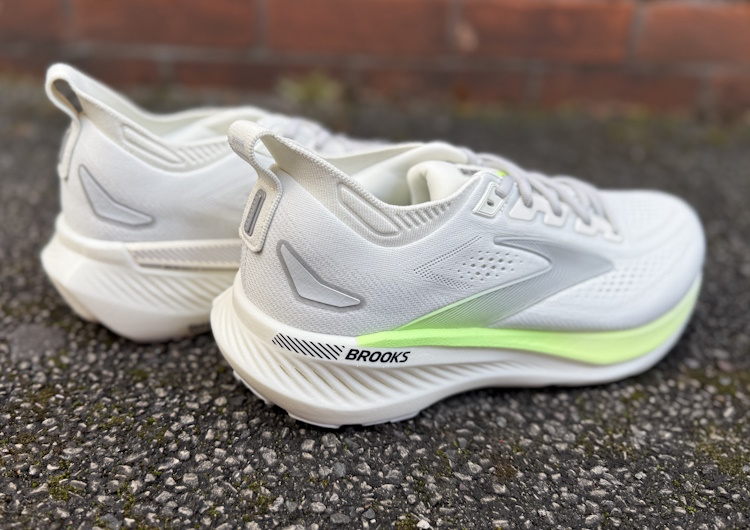
The GuideRails work well in the Glycerin GTS 23 and provide excellent support and control should it be required.
Choose this shoe if -
You want a premium cushioned model that provides support for flat feel. Its cushioning makes it a perfect choice for runners covering higher mileage.
2. Brooks Adrenaline GTS 25
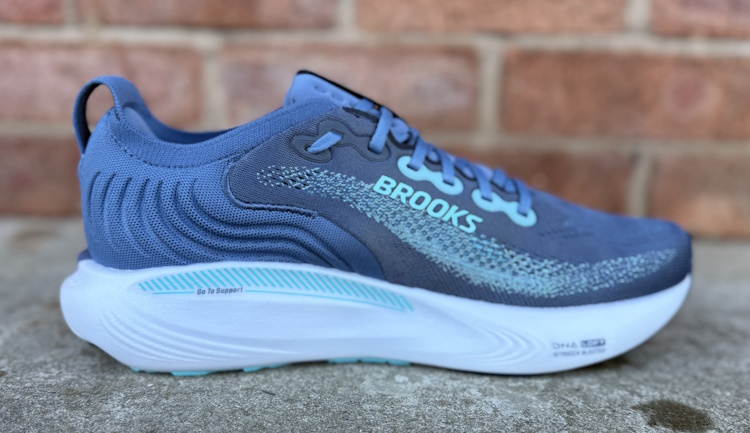
Brooks’ long-time support shoe for daily training. The Adrenaline has become known as a versatile daily trainer with many people also choosing it thanks to its great combination of cushioning, support, width fittings and colour options.
The Adrenaline GTS 25 features a nitrogen-infused midsole like that of the premium Glycerin GTS 23 model, except in this shoe, the cushioning is a single density.
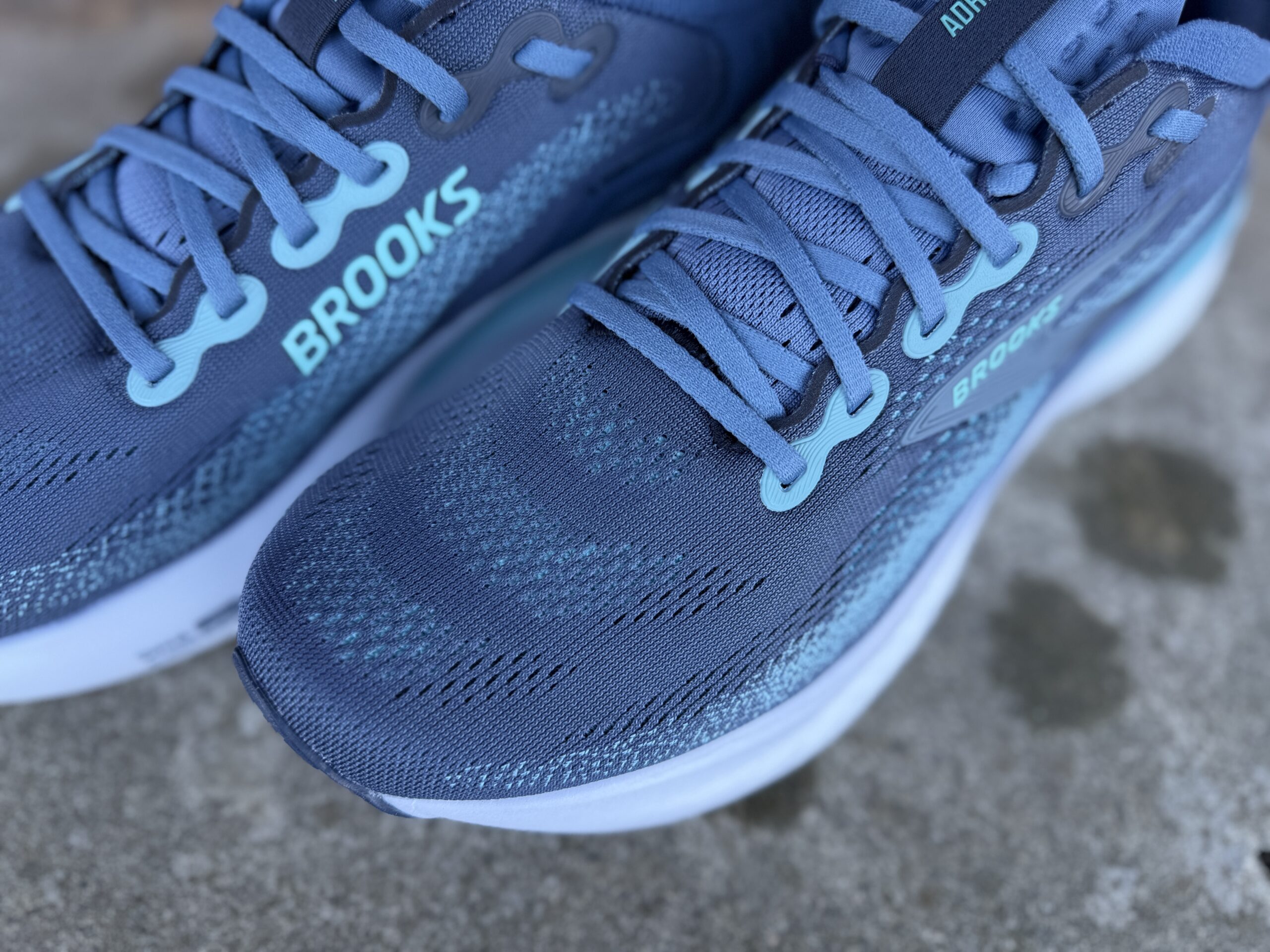
The GuideRails are now co-moulded into the midsole of the Adrenaline. Whilst they are still effective, the GuideRails of the Glycerin provide a little more control. Which will be better for you as a runner with flat feet will depend on the overall fit and feel of the shoe.
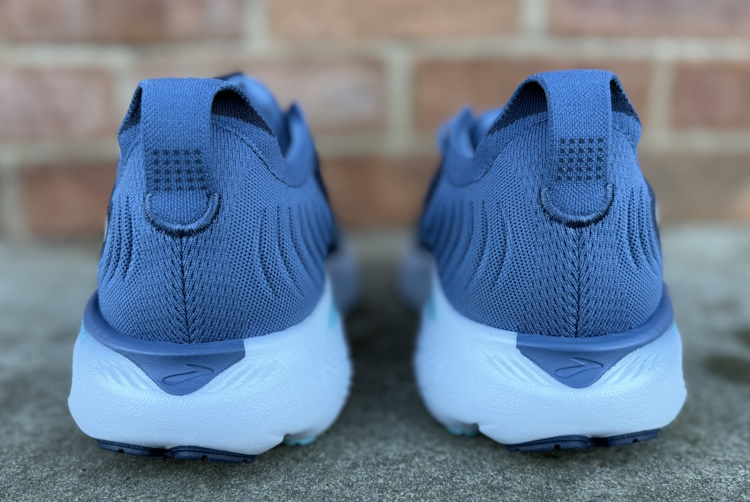
The Adrenaline GTS 25 is available in more colour options than the Glycerin GTS 23, including an all-black model. This is very popular for people requiring a comfortable shoe for daily wear and for work. The Adrenaline is also available in 4 width fittings from narrow to extra-wide, again adding to its versatility.
Choose this shoe if -
You want a great value running shoe for regular use if you have flat feet. It is also a good option as a versatile day-to-day shoe, for work and general use.
3. Brooks Beast GTS 26
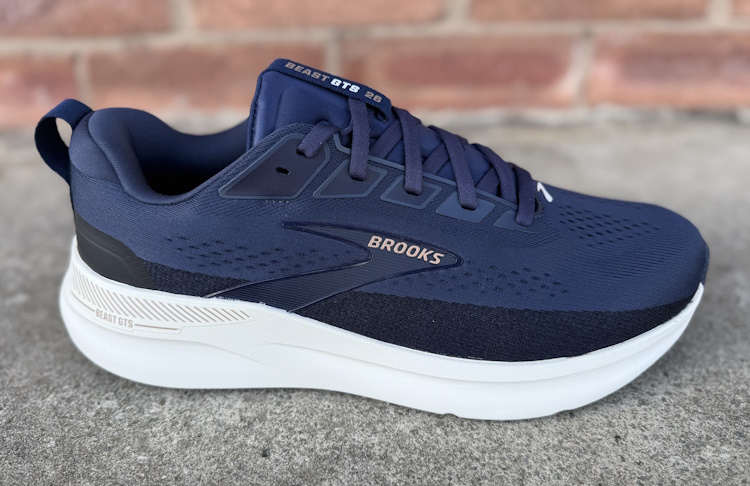
The brand’s long-established, maximum support type shoe, the Beast (Women’s model known as Brooks Ariel GTS 24), as its name suggests, is a shoe with maximum levels of support and control.
Available in widths up to extra-wide, it is a hard-wearing and highly supportive shoe for heavier runners, especially those with flat feet, as well as those who simply want a durable and comfortable supportive footwear alternative to heavier, ‘work-type’ footwear.
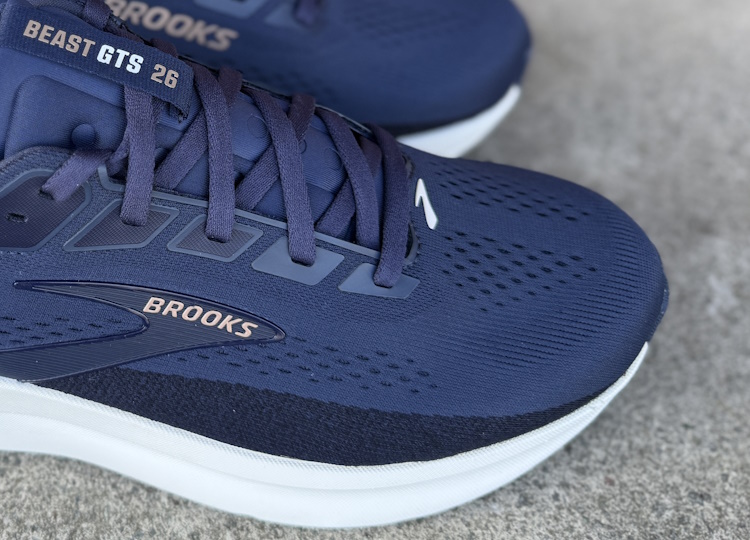
The Beast GTS 24 uses the nitrogen-injected DNA Loft v3 midsole, Brooks’ more advanced cushioning. This nitrogen-infused foam offers a softer and more responsive underfoot experience. It provides a soft, cushioned ride while maintaining responsiveness and durability.
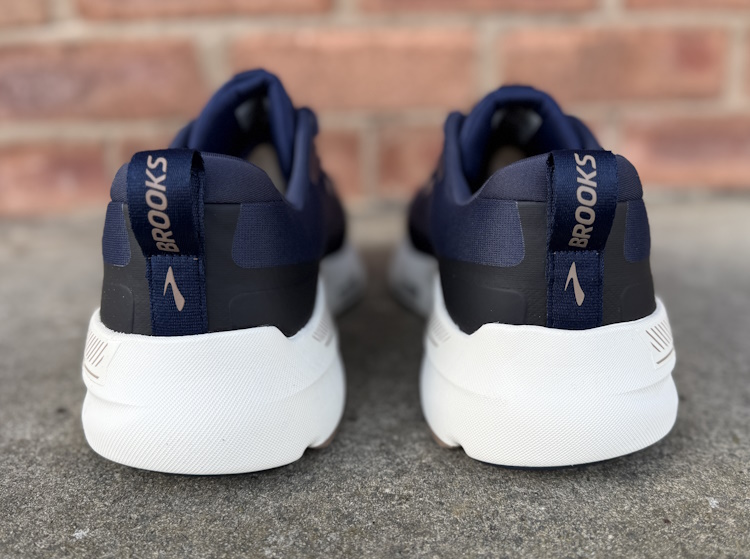
Whilst not as soft as the Adrenaline or Glycerin, the midsole of the Beast is comfortable for long periods of time on the feet, and provides excellent support, thanks to the GuideRail, which here is a little larger and firmer than the Adrenaline and Glycerin.
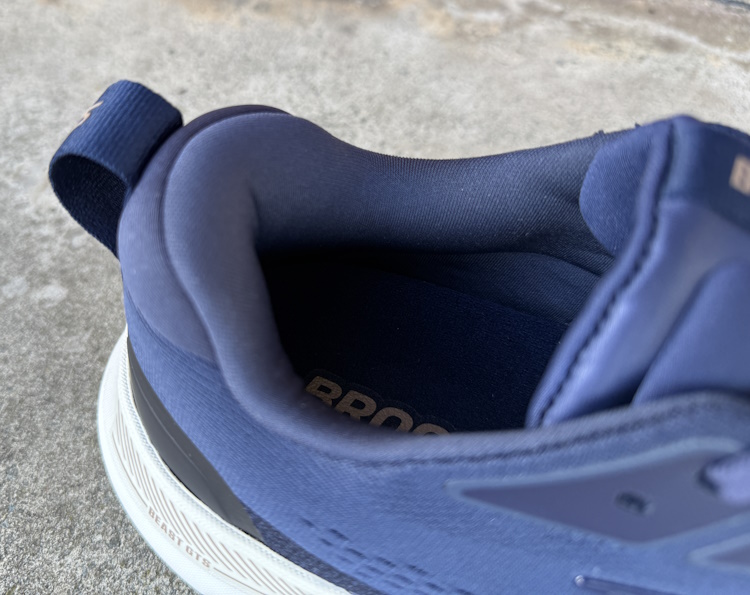
The Beast is certainly an obvious choice for those with flat feet who, at the same time, require plenty of motion control.
Choose this shoe if -
You are a heavier runner who requires the highest levels of control for over-pronation.
It’s also a good choice for daily use for those who spend extended periods of time on their feet.
4. Brooks Addiction GTS 15
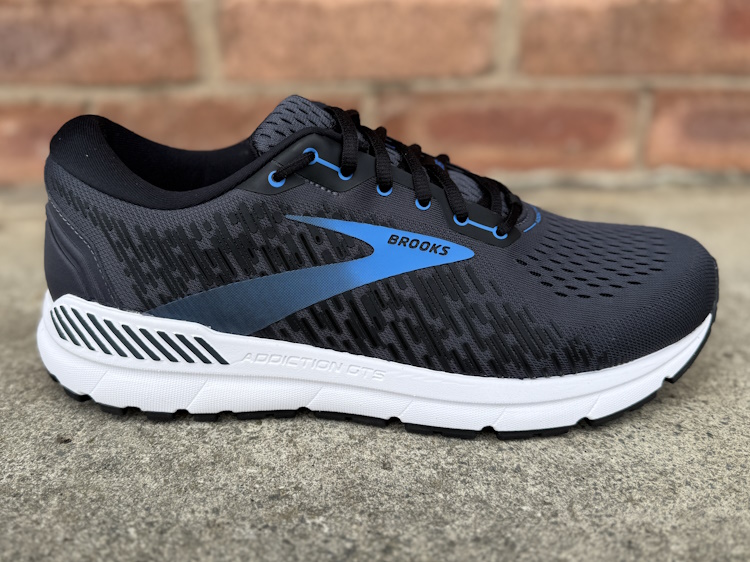
The Addiction, while offering similar high levels of support as the Beast, uses an older midsole foam, BioMoGo. This makes the shoe a great value option for the same customer/foot type, but perhaps isn’t going to use the shoe for running, only daily wear.
As the Beast offers better cushioning for heavier runners and the Adrenaline and Glycerin even more premium cushioning, the Addiction, while providing excellent support, is now better suited for non-running activities.
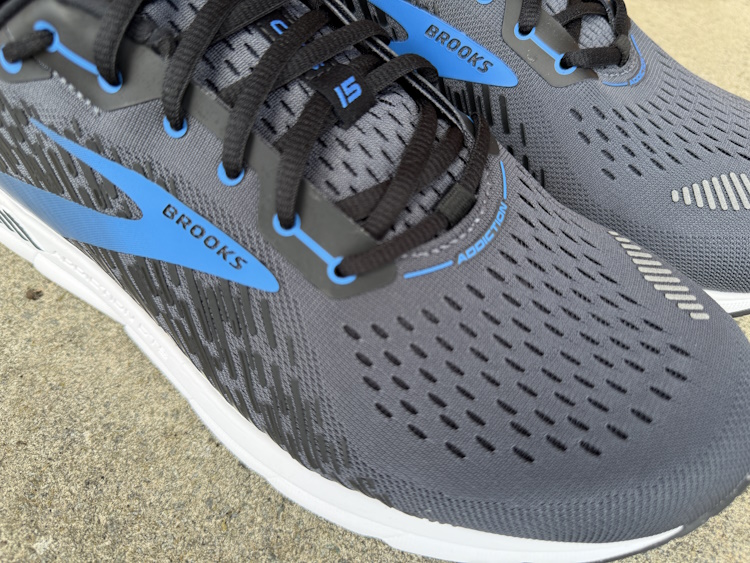
The BioMoGo midsole, while one of the brand’s older midsole foam cushioning technologies, in this shoe, it is a CM-EVA midsole that is perfectly adequate. It’s important to remember that you are choosing this model for the high level of control and support it provides, and this material is a denser foam that’s very durable.
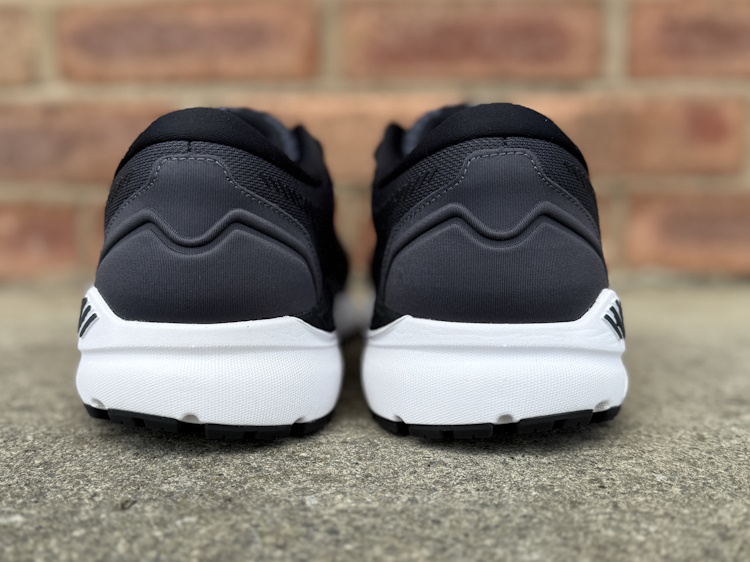
GuideRails are used in the Addiction GTS 15, just like in the brand’s other support shoes with the GTS in their name (Adrenaline GTS, Glycerin GTS and Beast GTS).
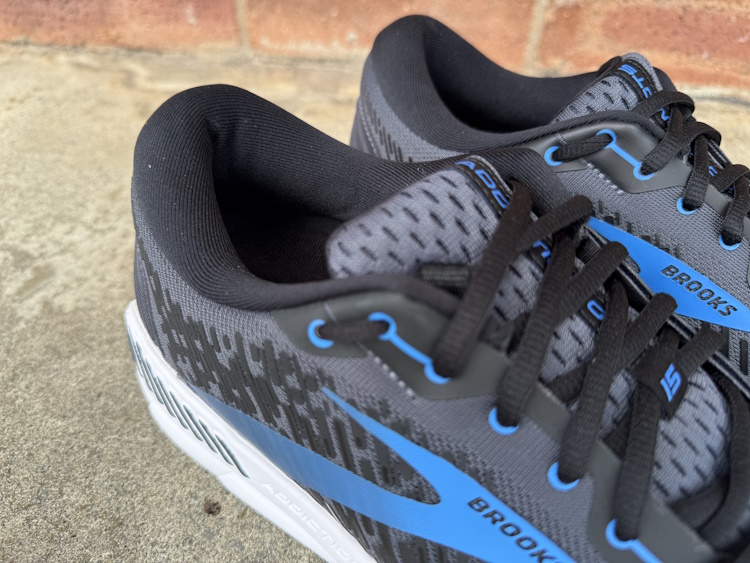
Available in four width fittings and offering excellent support for those with flat feet, the Addiction, whilst once a running shoe option, is now perhaps better suited to daily wear scenarios thanks to its comfort and durability.
The GuideRail Technology System
The GuideRails are extended sections of midsole cushioning in the rearfoot of the brand’s GTS models.
When the foot strikes the ground at the heel on the lateral edge of the heel, the GuideRail on that side will help control the impact and try to encourage the foot from rolling too far laterally, ‘supinating’.
As the foot rolls forward through the gait cycle, should it roll inwards excessively, ‘over pronating’, the GuideRail on the medial side of the foot will reduce this movement.
In this respect, the GuideRails provide support and control when required without being overly controlling, making them a good solution for people with flat feet.
Control Overpronation With Brooks Stability Shoes
Overpronation is often associated with flat feet due to the lack of a visible arch in the foot. It should be noted that if you have flat feet, you will not definitely overpronate, but if you have flat and flexible feet, you may be more inclined to do so.
Addressing overpronation usually involves a combination of strategies. Stability running shoes designed to guide foot motion can help, as can strengthening exercises targeting the calves, intrinsic foot muscles, and hips. Some runners benefit from custom or off-the-shelf orthotics, particularly during longer mileage periods.
The Brooks Range of GTS models is suitable for overpronation control.
It’s worth noting that not all overpronation requires correction; mild cases may be perfectly functional. Gait analysis, either through a running specialist or physiotherapist, can help determine whether intervention will improve comfort or performance. Ultimately, the goal is efficient, pain-free movement rather than forcing the foot into a “perfect” pattern.
Brooks Cushioned Shoes for Supination
Supination, sometimes called underpronation, occurs when the foot rolls outward during ground contact, placing weight along the outer edge. Unlike pronation, which aids shock absorption, excessive supination limits the foot’s ability to distribute forces, often transmitting impact stress higher up the leg. A more rigid foot will tend to supinate.
Managing supination focuses on improving cushioning and flexibility rather than restricting motion. Neutral or well-cushioned running shoes help absorb impact, and exercises that enhance ankle stability and foot mobility can provide additional resilience.
While supination is less common than overpronation, it shouldn’t automatically be viewed as problematic. The Brooks Glycerin GTS 23 and Adrenaline GTS 25 can prove just as useful at helping control supination as they are with overpronation in milder cases.
Brooks Support Shoes for Arch Support
For runners, arch support should enhance comfort without forcing unnatural positioning. Testing options gradually during training runs rather than race settings is advisable. When correctly matched, arch support can be a valuable component in sustaining efficient mechanics and reducing cumulative stress.
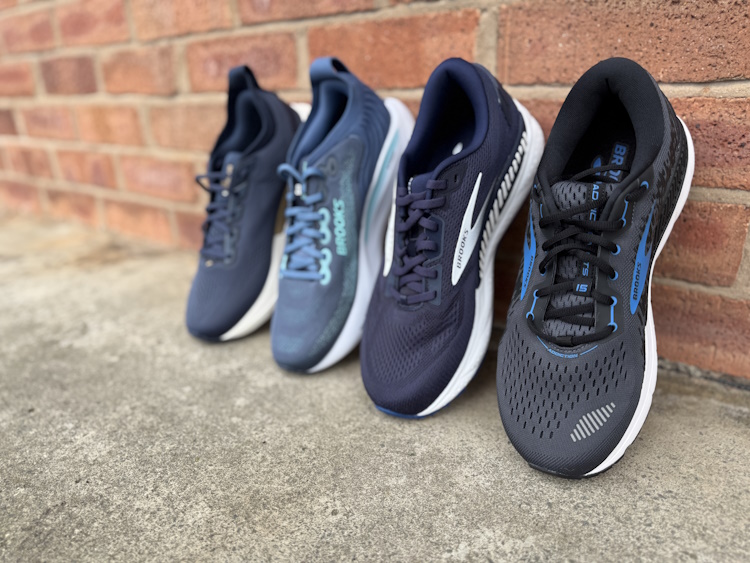
The Brooks GTS models tend to work well in terms of support for flat feet due to the dynamic level of control and the fact that the support does not sit directly under the arch, but rather cupping the rear foot within the shoe.
Brooks Shoes for Plantar Fasciitis Pain
Plantar fasciitis is one of the most common causes of heel pain among runners. It involves irritation or micro-tearing of the plantar fascia, the thick band of tissue connecting the heel to the toes and supporting the arch. Repetitive loading, tight calves, or sudden training increases often contribute.
Again, the Brooks GTS models are great options in helping deal with plantar fasciitis. Their elevated heels reduce the load on the tendon, and support elements help reduce the load on the tendon.


Leave a Reply