By Kieran Alger
When the ASICS Megablast first landed it raised some questions about whether we might have seen the last of the Superblast. But it’s back again, now in its third generation, with some really significant changes.
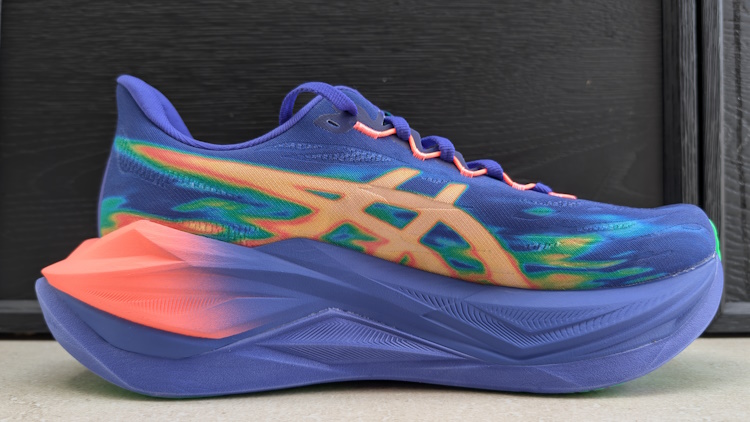
The new Superblast 3 features a spin on the Flytefoam Leap foam we’ve seen in ASICS race shoes, shooting for a bouncier, softer, more forgiving ride feel than the Superblast 2. There’s also a wider platform and a refined rocker geometry in a bid for smoother transitions. Plus the inevitable changes to the uppers.
Does that all stack up to a more super Superblast? Read my ASICS Superblast 3 review to find out.
If you click, or buy from, links on this page, we may receive compensation. Learn more
Stack Height, Drop, Weight and Price
The ASICS Superblast 3 stack height comes in slightly raised over the Superblast 2 at 46.5mm in the heel and 38.5mm in the forefoot for an 8mm drop.
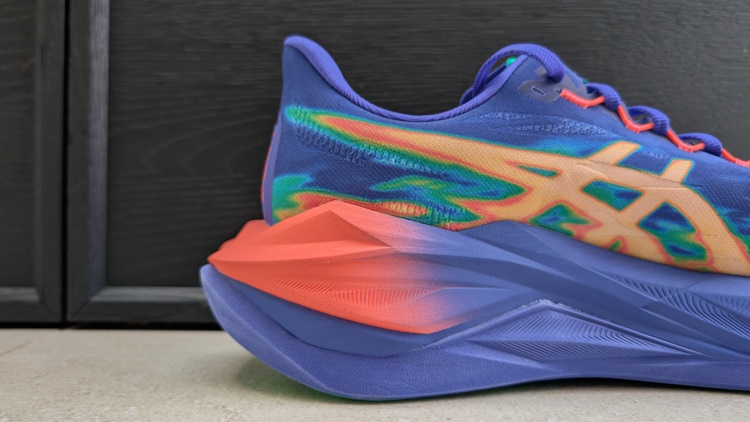
In my US men’s 9.5 test shoe size, the ASICS Superblast 3 weighs in at 8.3oz or 236g. That’s a little lighter than the Superblast 2.
On price, you’ll pay $210 in the US, that’s ten bucks more expensive than the Superblast 2 and still sits towards the pricier end of the running shoes shelves for daily training shoes.
Stats
ASICS | Superblast 3 |
|---|---|
Best for | Daily training |
Support | Neutral |
Cushion | Max cushioning |
Stack Height | 46.5mm heel |
Drop | 8mm |
Weight | 8,3oz / 236g |
Suggested Retail Price | $210 |
Fit | True to size |
Rating | 8.8/ 10 |
Design
If the ASICS Superblast 2 was an example of ASICS tweaking a winning formula to pretty great effect, the non-plated Superblast 3 is maybe a bigger gamble.
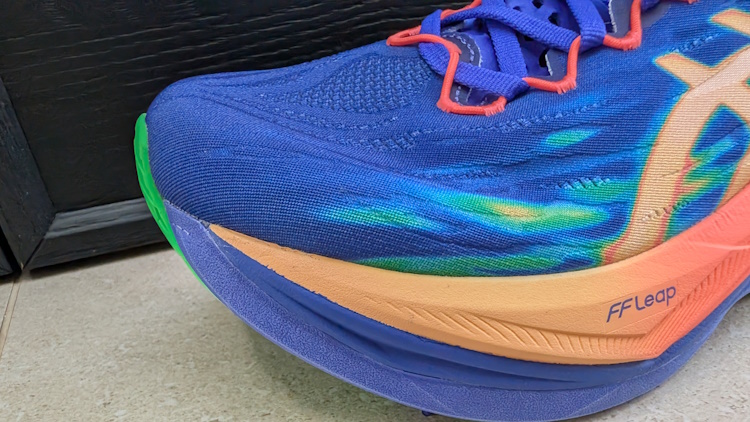
It lands with a bigger stack which now blends FF Blast Plus with a version of the new FF Leap foam that we’ve seen in ASICS’ best carbon race shoes.
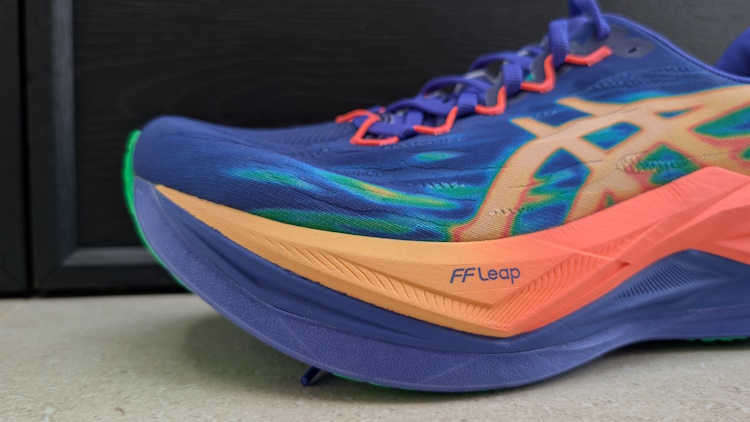
That dual foam set up is designed to deliver lightweight bounce with a stable, protective platform, with a slightly reshaped midsole that’s tuned noticeably softer and an aggressive rocker that shoots for a fast, rolling transition. The platform is also slightly broader in a bid to improve stability.
Up top, ASICS uses a new engineered woven mesh upper that cuts some weight while improving breathability and moisture management and crucially helps keeping the cruising comfort front and centre.
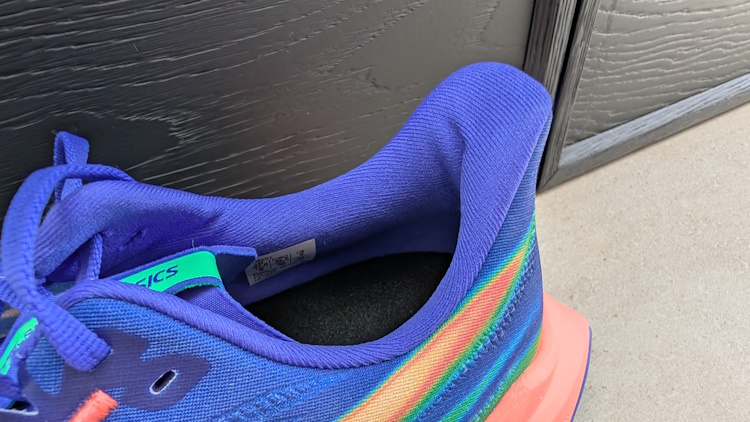
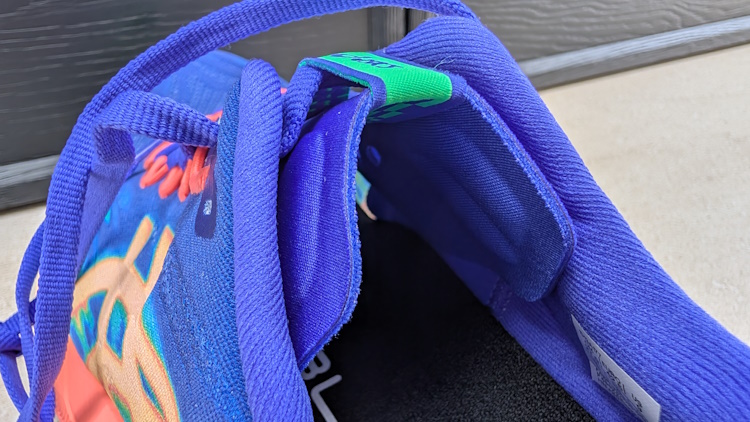
The padded heel collars and lightly gusseted tongue remain largely the same as the previous generation.
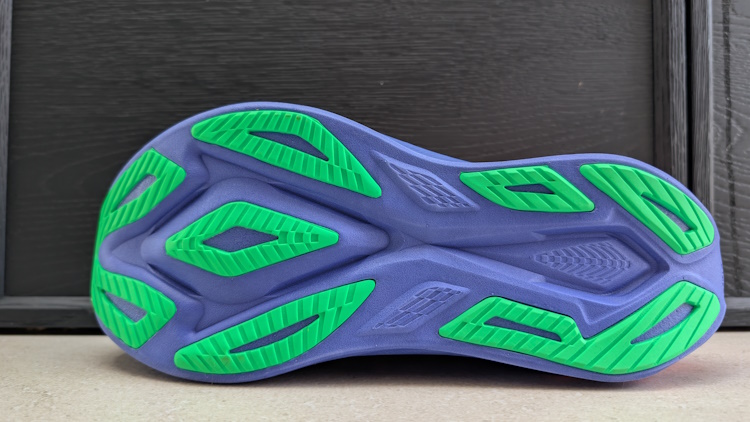
Flip them over and the outsole uses strategically placed ASICSGRIP rubber for traction and durability. The updated outsole coverage aims to inspire confidence in the long-haul durability and provide grip on wet roads.
Superblast 3
Shop Now at
Fit
In testing, I ran in my regular ASICS size – a US 9 and I’d describe the fit as accommodating, airy and roomy with a good spacious toe box that avoids feeling sloppy. As a runner with wider feet, that’s very welcome and offers good comfort on longer runs.
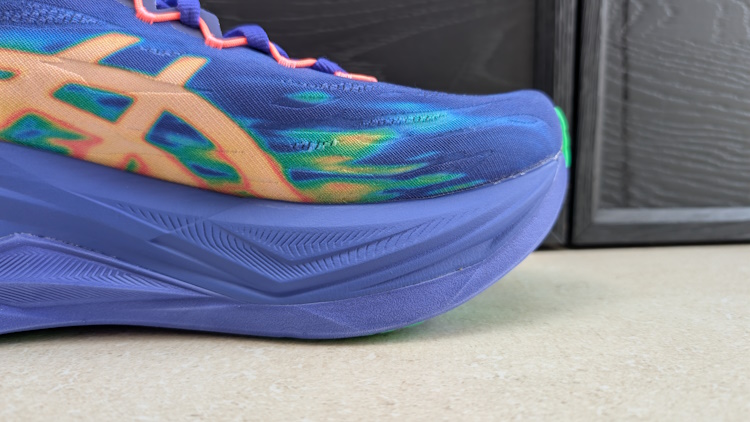
The padded heel collars hold securely, the thin, wrap-around tongue makes it easy to get good midfoot lockdown without adding weight and overall the Superblast 3 serves up a natural, unfussy comfort.
Performance
In testing I’ve run 45+ miles in the ASICS Superblast 3. Before I get into the weeds here, there’s an important caveat: I prefer shoes that run a bit firmer, with some stiffness over the softer, more compressive midsoles.
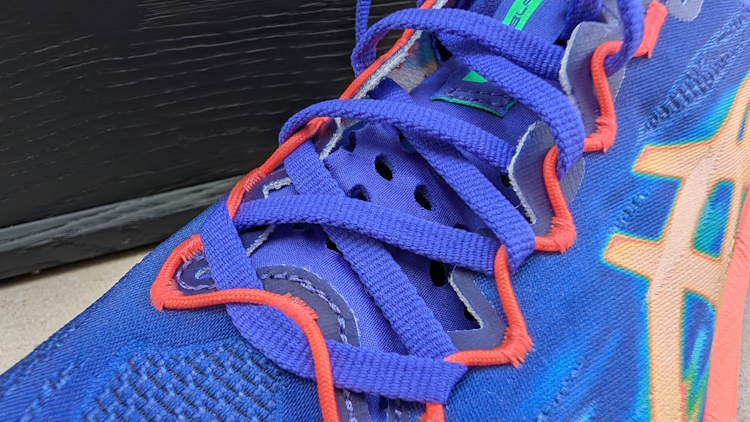
That’s one of the major changes here. The addition of the Flytefoam Leap to the Superblast 3 delivers a softer ride, more compression in the midsole, than previous versions which had a faster, firmer feedback that some runners found a bit rigid.
The new setup makes for a bouncier and more energetic ride that provides a happy rolling consistency and comfort for long and steady marathon pace efforts. There’s more cushion underfoot to protect and I think a lot of runners will enjoy that boosted softness. It lends itself much better to easy, recovery style miles.
But I personally find the Superblast 3 a bit mushy. I also think you’re giving up some stability versus the more reliable, firmer landings for the Superblast 2. It’s not crazy but the softer FF Leap foam is noticeably more malleable underfoot.
Now even though the stack has risen, the Superblast 3 has shed a bit of weight thanks to the lighter FF Leap foam and this shoe remains surprisingly light for the level of cushioning. However, it’s not a compact shoe, there’s still a lot of it on the foot, accentuated by that wider base.
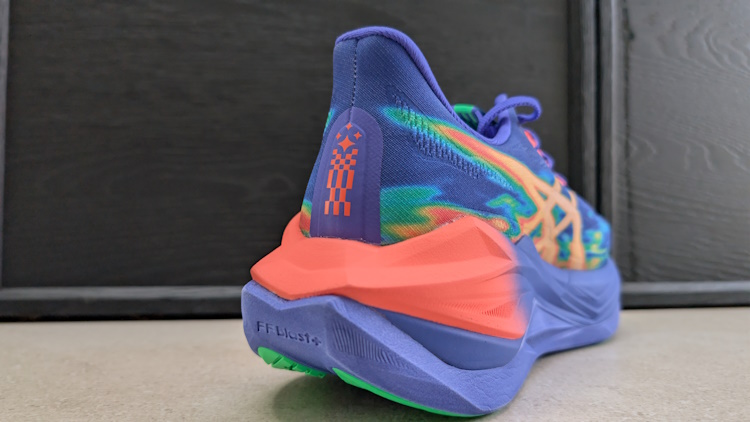
That, along with the less immediately responsive ride, make it less well suited to intervals and the fastest efforts. The Superblast 2 was more capable for those types of runs and that’s a significant change here. If you like the quicker kickback of the Superblast 2, this might leave you wanting.
My Verdict
The ASICS Superblast 3 blends max-stack cushioning, lightweight efficiency and solid versatility into a shoe that many runners will be able to use for 80% of their runs. But it’s a different beast to the Superblast 2 and the midsole changes might not appeal to all.
The Superblast 2’s firmer, tempo-focus has been replaced by a softer, bouncier midsole that’s much more cushioned and accommodating but loses some of the upper pace edge for the fastest training miles and sessions.
The Superblast 3 now lends itself more to marathon pace, or longer runs slower than marathon pace where you want cruise control comfort. Smooth long-run efficiency is the watchword here, in a non-plated training shoe.
It’s still a little punchy on price for a daily trainer and although brands have now conditioned us somewhat to $200+ shoes, there are some really compelling rivals that offer as much versatility for a good chunk less. The Saucony Endorphin Azura, the Adidas Evo SL and the Kiprun Kipstorm Tempo are all worth a look.


Leave a Reply