By Paul Freary
Flat feet, or fallen arches, CAN cause overpronation, leading to discomfort and potential injuries when running.
For the purpose of this feature, we are looking exclusively at supportive shoes for runners with flat feet. These are shoes that help control pronation as well as provide general support and cushioning for the feet.
Finding the right running shoes is essential for providing support, stability, and comfort. Sneakers for flat feet are the only category of footwear that offers varying levels of control, making them a great choice for runners with flat feet.
If you click, or buy from, links on this page, we may receive compensation. Learn more
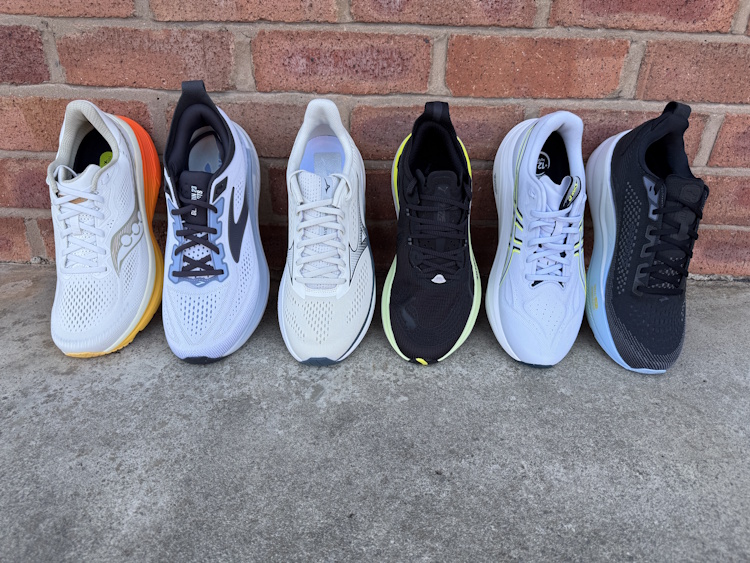
Sneakers for Flat Feet
What to Look For in Running Shoes for Flat Feet
1. Fit
The right size and fit are the most important things to consider. Shoes should provide a snug, supportive feel without being too tight, to allow natural foot movement. Always allow a thumb’s width at the end of your longest toe before the end of the shoe. This will allow your foot to spread out a little as you run and also accommodate any natural swelling that might occur in warm conditions or as you run further.
2. Roomier Toe Box
Runners with flat feet also tend to have slightly wider feet. A wider toe box ensures comfort and prevents unnecessary pressure on the forefoot, reducing the risk of blisters and discomfort. Many models are available in wide fittings, so seek them out if a shoe feels a little tight in width.
3. Support, Stability, Control
Shoes with built-in arch support or other control mechanisms help maintain the foot’s alignment, keep the foot in a neutral position and reduce strain on the arches.
Stability shoes help control overpronation by offering midsoles with supportive structures and features.
4. Cushioning
Adequate cushioning helps to absorb shock and reduces the impact on the joints, which is especially important for runners with flat feet who may experience increased stress on their lower limbs.
It is important to remember that support or control shoes have just as much cushioning as neutral models; they simply feature additional stability features. You are not sacrificing cushioning when choosing a supportive shoe.
With these considerations and features in mind, here are our choice of the 6 Best Supportive Running Shoes for Flat-Footed Runners
Top Supportive Shoes for Flat Feet
1. Saucony Guide 19
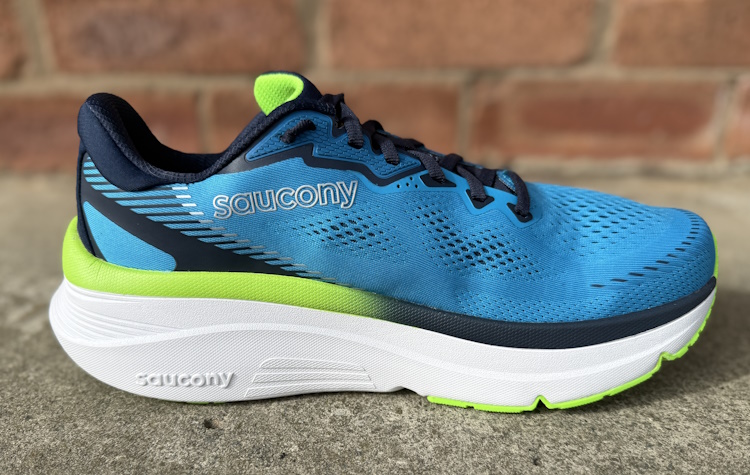
Saucony Guide 19
Perhaps the best value running shoe in this line-up, which provides excellent support for runners with flat feet.
The Guide 19 utilizes the brand’s Centrepath technology. This essentially refers to the overall shape and geometry of the midsole. A slight offset helps keep the foot central and in a neutral position, and along with a straighter last on the medial side of the shoe, and sidewalls on the upper side of the midsole, it helps keep the foot seated centrally within the shoe and contributes to a stable ride.
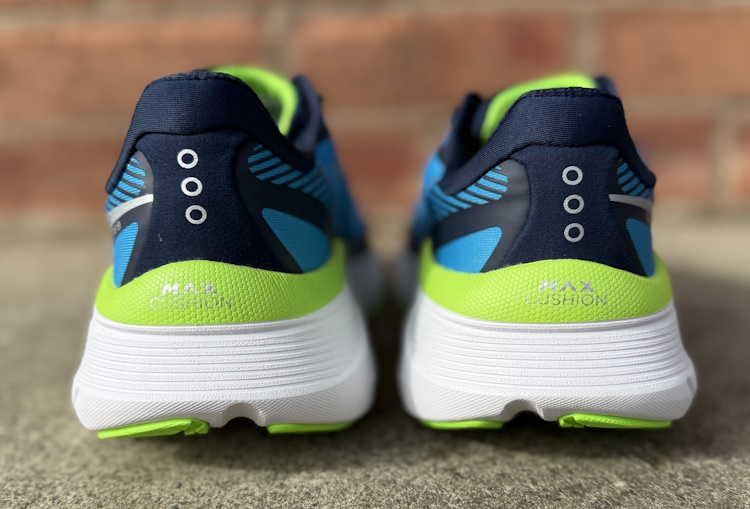
Saucony Guide 19 - Heel
The fact that the Guide 19 does not feature any specific postings or additional firmer elements in its midsole means the shoe feels very natural under the foot. For those runners with wide feet, there is nothing to prove intrusive and otherwise cause irritation.
Verdict
The natural feel and broader fit of the Guide 19 make it a great value choice for those runners with flat feet that require support. The shoe proves very effective at control any level of pronation and is a comfortable, lightweight, daily training shoe.
2. Mizuno Wave Inspire 22
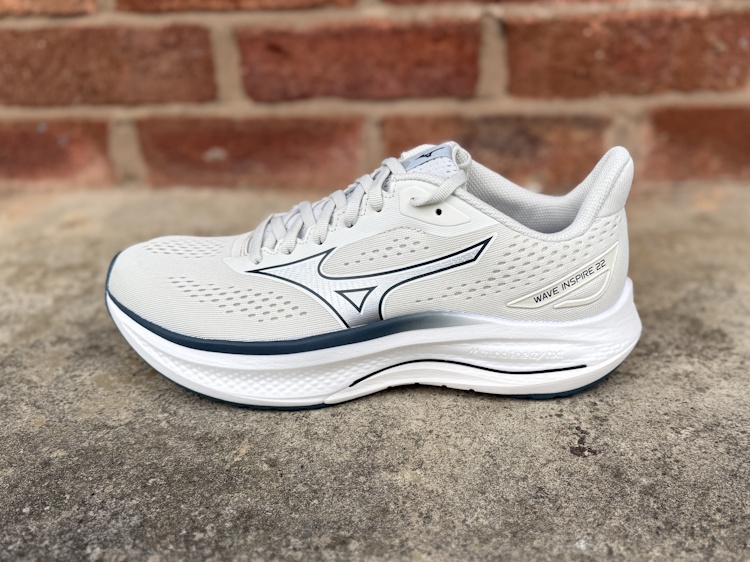
Mizuno Wave Inspire 22
The support in the Inspire 22 is, as usual, the Wave shape designed for people with overpronation. Changing the medial and lateral shape of the Wave helps stop the foot arch from collapsing and offers high levels of stability. The anatomical plate shape follows the shape of the foot for smooth weight transfer, and many users with flat feet tell me they find the internal shape of the shoe particularly supportive.
The heel drop is now 10 mm for a more natural running feel, and this works well, helping to add structure to those runners with flat feet.
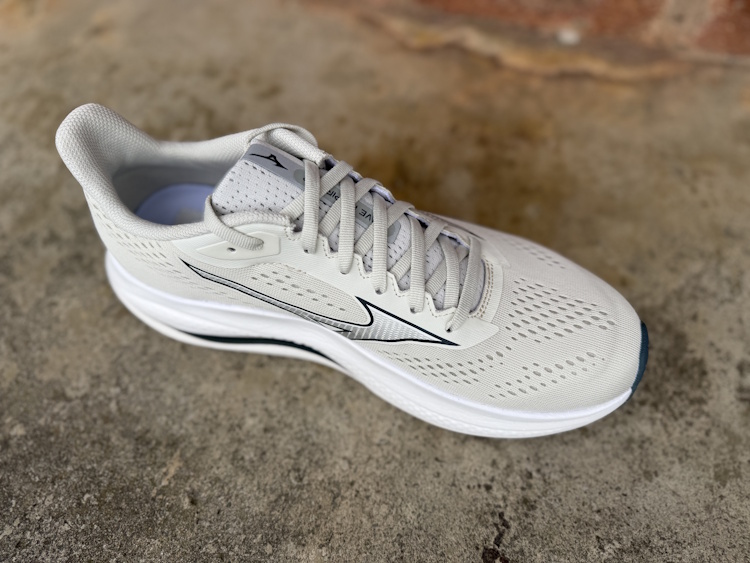
Mizuno Wave Inspire 22 - Upper
While not every runner will suffer from Plantar Fasciitis, it is perhaps the most common foot injury I encounter on a daily basis. It is also pretty common in those with flat feet. Over recent years, in my store, the Wave Inspire has proved to be the most popular choice for those suffering from this condition. The internal structure and shape of the sneaker provides support found most comfortable by those with the condition.
Verdict
The Mizuno Inspire has, for many years, been a popular choice for those with flat feet. The Wave technology embedded within the cushioning provides natural shape and structure to the arch without being intrusive. The support offered means those runners with flat feet can have a lightweight, well-cushioned running shoe that accommodates their foot shape and provides a natural level of control and support.
3. Brooks Glycerin GTS 23
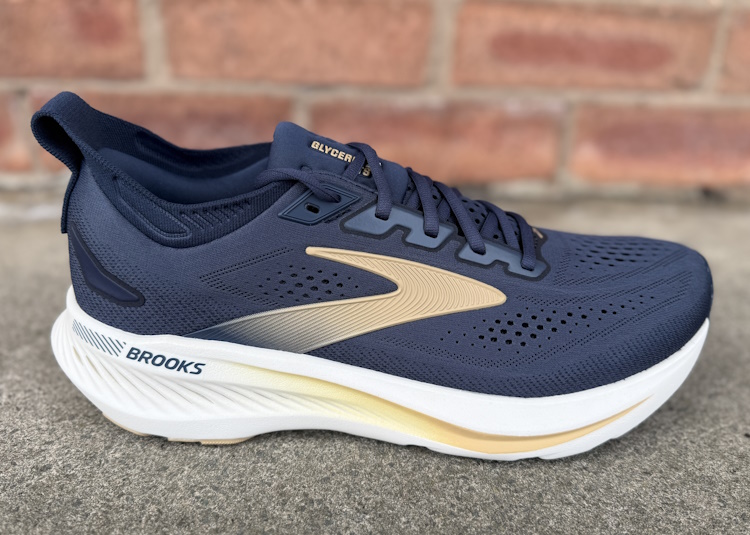
Brooks Glycerin GTS 23
The GuideRails provide support on both the lateral and medial sides of the midsole in the rearfoot section. For those with flat feet, these ‘rails’ don’t interfere with the foot shape, but rather hold the foot centrally within the cushioning. Should the foot roll laterally or medially (supinate or overpronate), the GuideRails help reduce roll and control stability, keeping the foot seated neutrally.
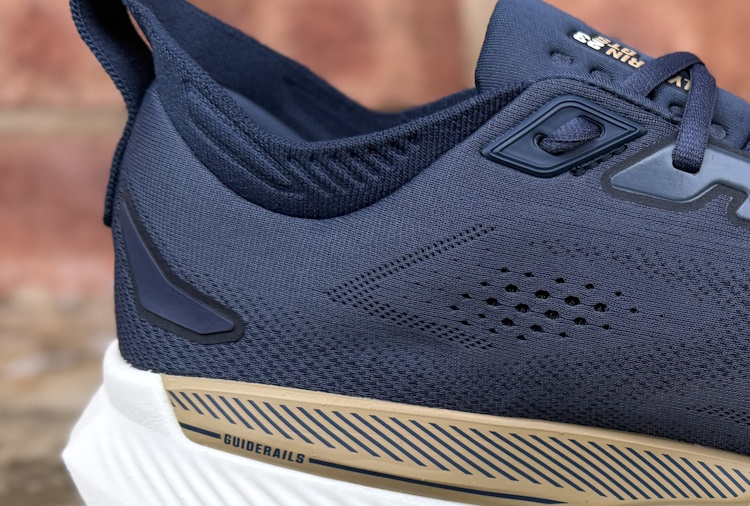
Glycerin GTS 23 - Guiderails
The GuideRails work very well in the Glycerin and control most over-pronators who try the shoes. Being on both sides of the shoe, it often works very well for supinators as well as over-pronators and are a good solution for those with flat feet.
Verdict
For runners with flat feet, the Glycerin GTS 23 offers premium cushioning, great control and a responsive feel. The GuideRails work well and offer a wide range of control that suits many runners with flat feet. The DNA Tuned cushioning proves to be very durable, making this a great shoe for daily training that’s versatile enough to handle a range of speeds.
4. ASICS GT 2000v14

ASICS GT 2000 14
Using that same FF BLAST MAX midsole makes the GT2000 an even more versatile sneaker than it previously was, and for runners with flat feet and requiring a little support, like it makes for a great update.
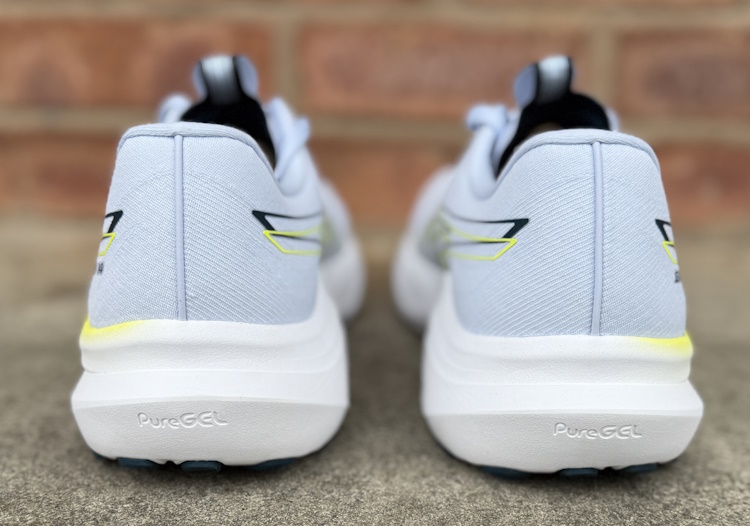
ASICS GT 2000 14- Heel
A new 3D guidance system creates stability in the shoe without the need for a traditional medial post. Here, there’s a slight medial flare to the midsole along with a straighter geometry of the foam from the heel, through the arch and into the forefoot, as well as deeper sidewalls. All in all, the GT-2000v14 offers great support for flat feet without being overly controlling or intrusive.
Verdict
A well-balanced, structured-cushioning shoe that provides excellent support without feeling too controlling.
5. Brooks Ghost Max 4 - (Neutral Stable)
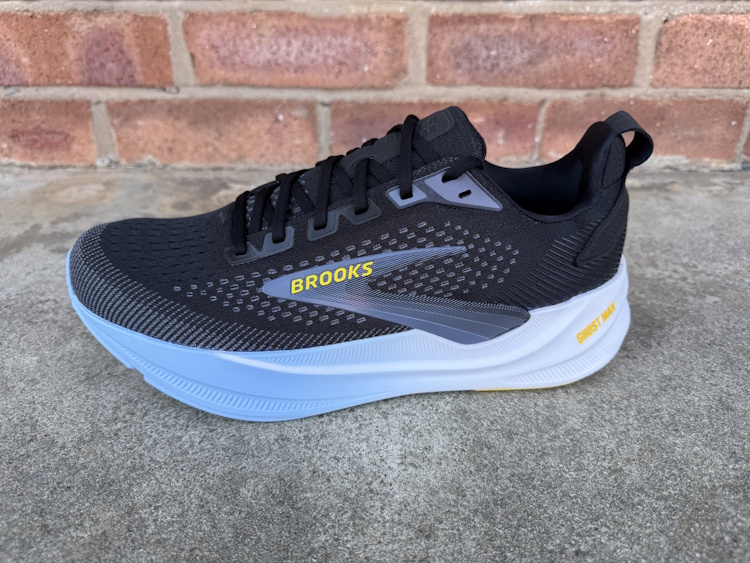
Brooks Ghost Max 4
Also Available at -
Brooks
The best version of the Ghost Max yet, the Ghost Max 4 is softer, more cushioned, more stable and plusher than the previous model and, of course, the Ghost 17.
It’s simply a better all-around shoe than the regular Ghost model, maxing it out in every department. The real benefit of the Max 4 is its naturally stable ride. It has a broader footprint and, with it, provides a high level of sure-footedness.
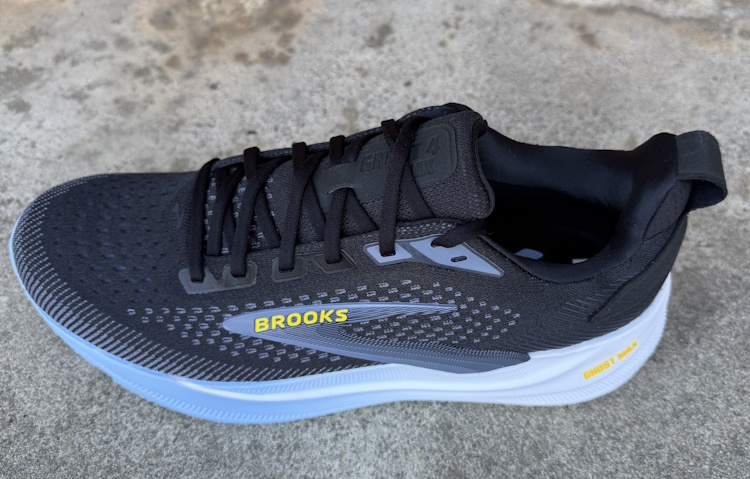
Brooks Ghost Max 4 - Upper
This sneaker also makes a great place in which to sit your custom orthotics, should you be a user. As many flat-footed runners do use orthotics, the Ghost Max has a slightly roomier upper, which will accommodate them easily and provide a great neutral place for them to provide your customer control and support.
Verdict
As a revision of the popular Ghost model, the Ghost Max 4 provides a little bit more of everything. Cushioning, stability and a roomier upper. As such, it’s a great value for money option for those runners with flat feet that want a neutral, stable shoe or a sneaker in which to wear orthotics.
6. Puma ForeverRun Nitro 2
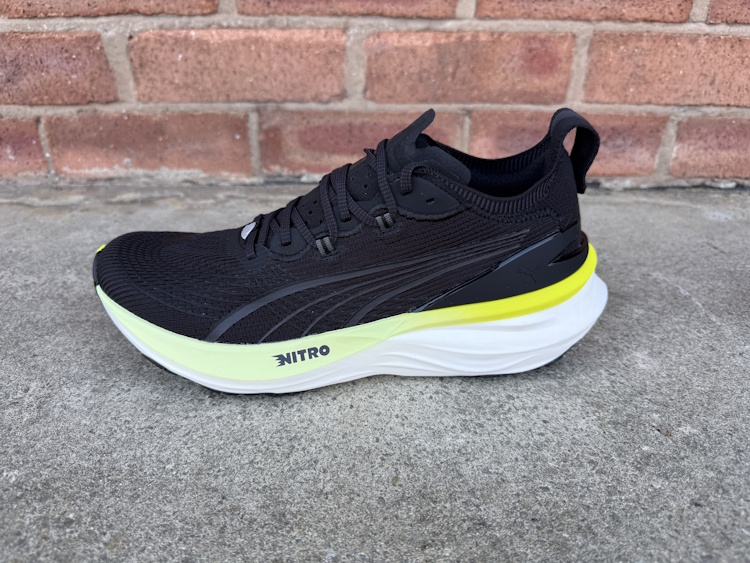
Puma ForeverRun Nitro 2
What Makes it a Good Choice?
Combining many stability features found on other running shoes, the Puma ForeverRun is almost a greatest hits package in running shoe form.
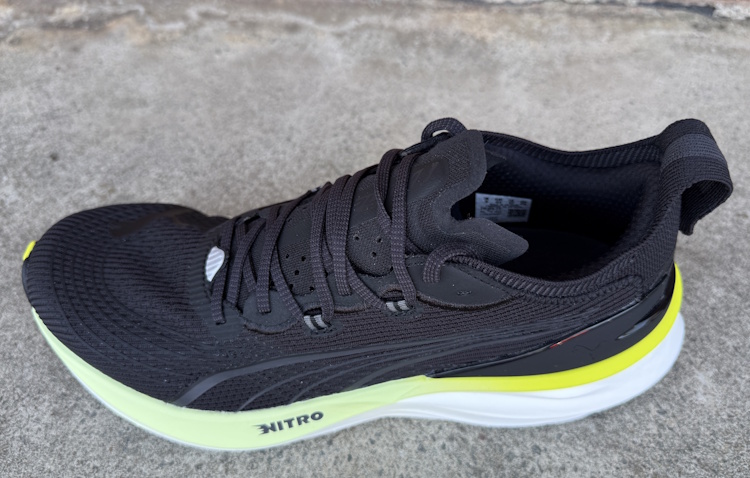
Puma ForeverRun Nitro 2 - Upper
The midsole is a dual-density NITROFOAM, similar to the Brooks Glycerin GTS (above), only here, the softer inner core is surrounded by the slightly firm rim, meaning the foot ‘sinks’ into the centre of the cushioning. Not only does this stabilise the foot, but it also makes for a highly cushioned feel.
For those runners with flat feet, the ForeverRun proves a stable and well-cushioned, good-value option.
Verdict
You may have previously missed or dismissed the Puma ForeverRun as a viable support category sneaker, but it’s packed with features and great value for money, making it worthy of your consideration.


I am looking for a sneaker with an extra wide toe box, that is light and has good support and cushioning
Hi Mina, you can have a look at some of the styles in the post about wide running shoes – findmyfootwear.com/best-wide-running-shoes-wide-toe-box-and-extra-wide-width-sizes/
I am looking for sneakers, or running shoes, that have a wide toe box and where the widest part of the shoe is at the end of the little toe, not the base of the little toe. Altra makes shoes that allow the big toe to go straight down the shoe, but the other side of the shoe cuts in too quickly. Most manufacturers seem to think the shoe (and presumably the foot), should be shaped like the prow of a boat, coming to a point at the front.
Does anyone know of shoes that are shaped more like a fan, than a boat?
Tim – go check out Altra Running shoes (https://www.altrarunning.com/). The shoes are foot-shaped and may help your problem.
Noel
Mina – alot of brands do have models with wide options that are worth trying but you will need to ask. It may also be worth checking out Altra running shoes that are foot-shaped and often have more room in the forefoot.