By Noel Paine
All the parts of a running shoe matter, but most runners buy them for one thing: cushioning. The cushion sits under your foot in the midsole—usually a white or dyed foam—often enhanced by brand-specific technology to improve shock absorption, energy return, and ride feel.
Most midsoles start with EVA foam or evolved blends (PEBA/Pebax®, TPU, “super-critical” EVA, nitrogen-infused foams). Each brand tweaks the chemistry and processing, then gives it a name. That’s why two shoes with the “same stack height” can feel completely different.

Cut away of a super shoe that has a carbon fibre plate sandwiched between two layers of foam. Not all shoes will have a plate or extra items inside the midsole cushioning.
Cushioning Trends (Quick Guide)
Running Shoe Brands
Running shoe brands all try and be original and different from their competitors. They often come up with their own versions of the base type of foam cushioning and then add gels, air, plastics, and other substances to enhance or improve it, making it perform well and sound better than competitors. A brand’s type of cushioning can also create a certain distinct feel for a certain model or the whole brand’s line of shoes, which can set it apart from others.
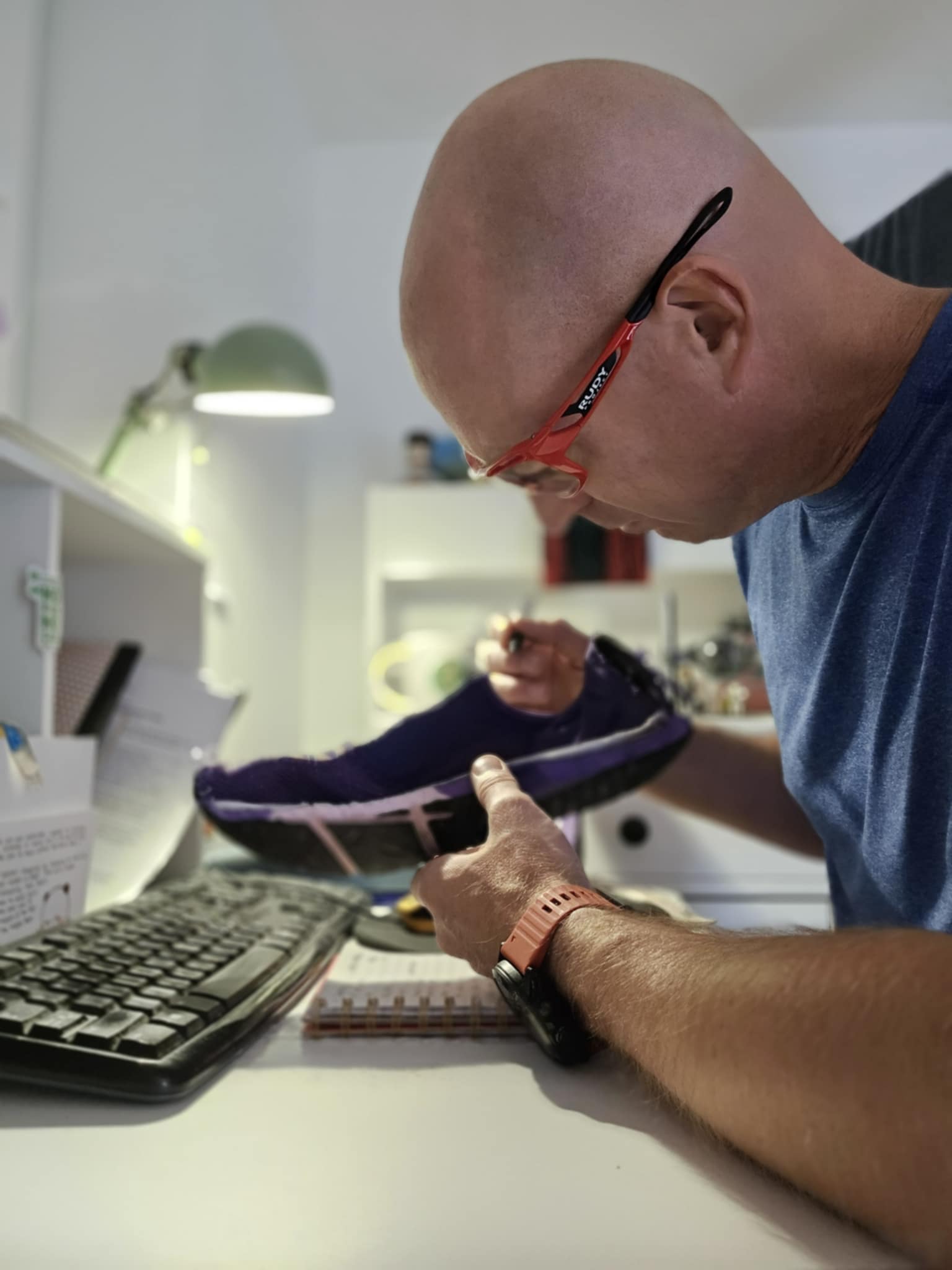
Pick your Running Shoes Based on What’s Inside
From stiff leather uppers to today’s bouncy foams, tech changed how shoes feel and how long that feel lasts. Some people swear by minimal shoes or barefoot running; most of us still want protection for roads, tracks and long days on our feet. The more you know about foam + geometry + plate (if it has one), the better your chances of finding a shoe that matches your body and pace.
The approach now and for the last few decades, for most brands, has been to use their own unique cushioning, and then some will add something to enhance that cushioning. There are a lot of choices out there now.
I started running around 1987. One of my first “techy” pairs was the Reebok World Trainer—midsole wizardry was magical to 12-year-old me, and honestly, it still is
Technology and Running Shoes and What it Means for you
Cushion and “extras” change how a shoe rides. Knowing the foam family and add-ons helps you narrow choices—especially online. Below is a quick brand-by-brand tour with new shoe models and a plain-English summary of what the midsole is doing.
Support your local independent running shop when you can—they’re great for on-foot fit checks and honest advice.
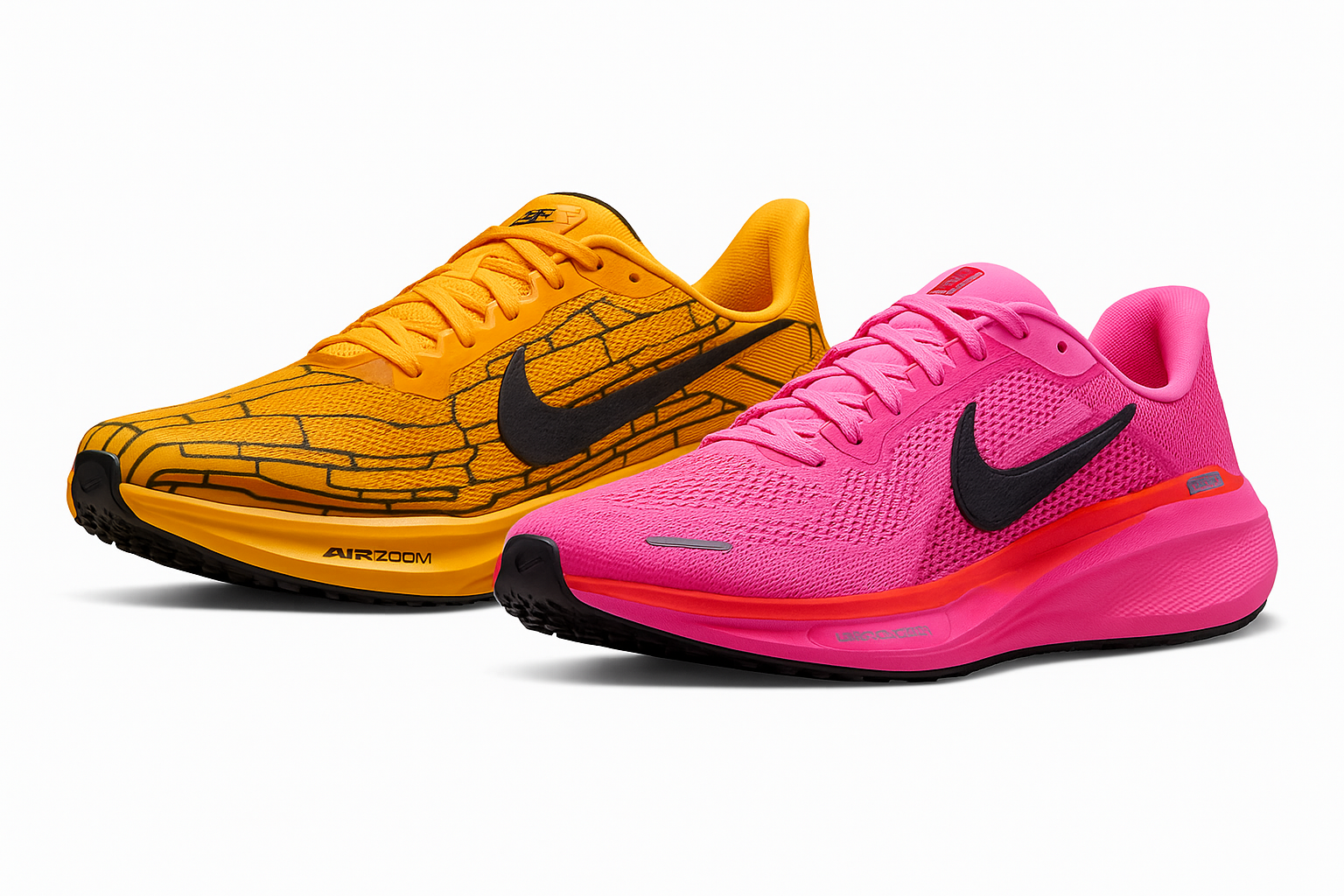
Nike Pegasus 41 — Neutral Daily Trainer

Why Pick it?
You want a reliable do-everything trainer with modern foam pop.
The technology: Encapsulated ReactX (modern TPE/EVA-family foam) delivers balanced, elastic cushioning; hidden Zoom Air pockets (pressurized air with tensile fibers) add pop underfoot. Feels lively-but-stable for daily miles.
Nike has a long tradition of experimenting with new technologies and pushing the boundaries with new cushioning and substances to improve their shoes, always worth checking out.
Notes: ReactX targets more energy return and lower environmental impact versus classic React. Heel strikers tend to appreciate the updated crash/rocker.
Nike Zoom Fly 6 - Plated “Super-Trainer”
Why Pick it?
Workouts, up-tempo days, and long runs when you want a fast feel without jumping to a racer.
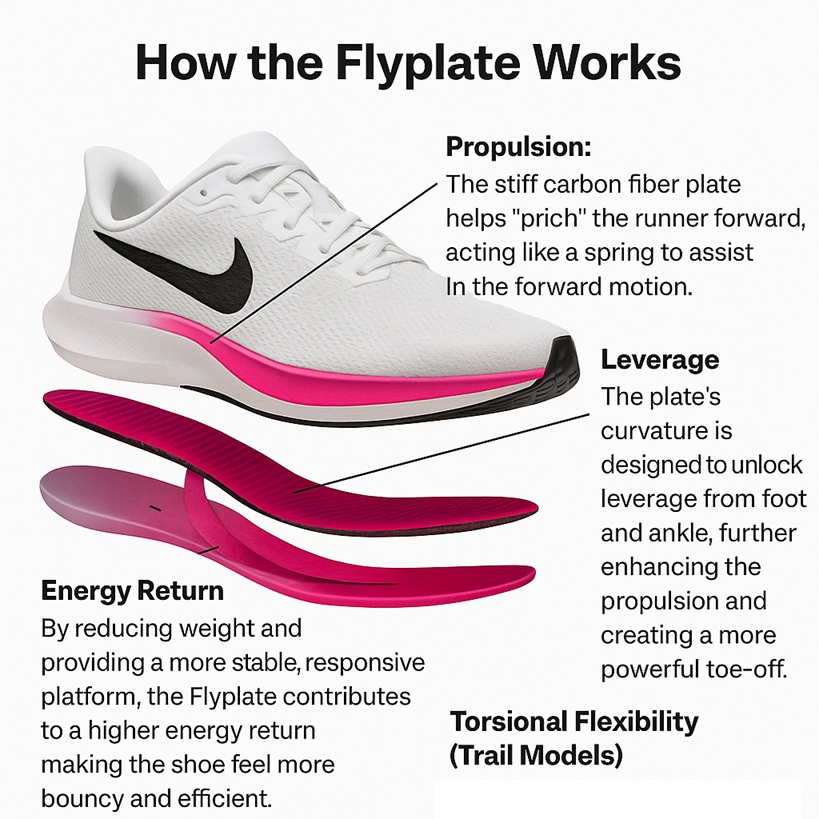
The technology: Ultra-light ZoomX (PEBA-based superfoam) with a full-length carbon plate for snap and roll. Feels soft-springy with a firm “spine”; thick foam looks with a rocker that tips you forward.
Always, always try the shoe on and test out how the cushioning feels underfoot. Each person and foot will experience things differently, and what you like may not be what works for another runner.
FuelCell Rebel v5 – Neutral Trainer
Why Pick it?
You want width options and a straightforward, supportive ride for daily miles or walking.
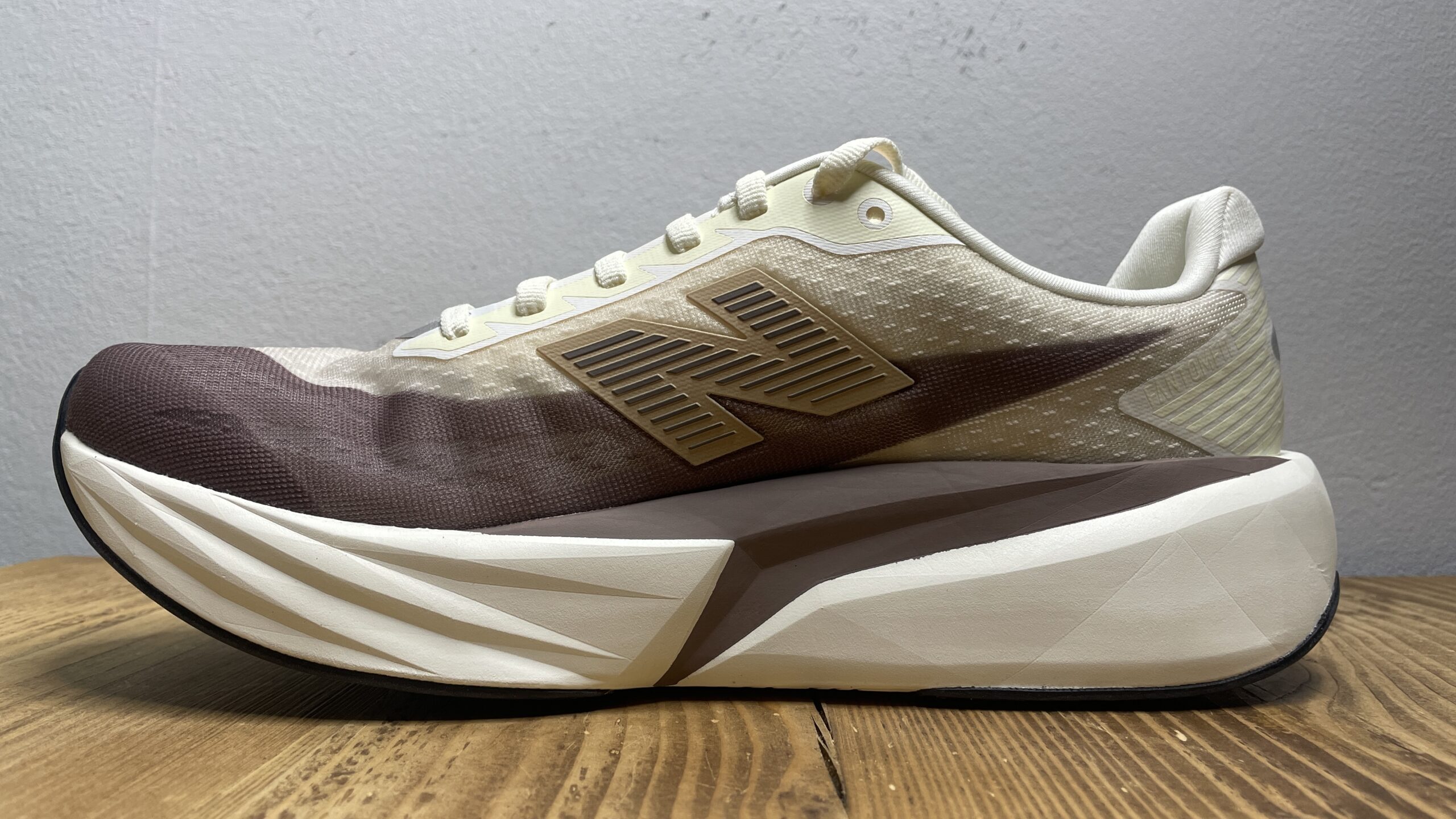
The technology: FuelCell (PEBA-rich, supercritical foam) aims for max rebound at low weight, no plate. Feels springy and flexible with a simple, single-block foam look.
I like New Balance, and they often make durable, reliable training shoes and often with at minimum two width options.
Shoe tech word: Durometer: Durometer (hardness test): How brands measure foam firmness — higher = firmer, lower = softer.
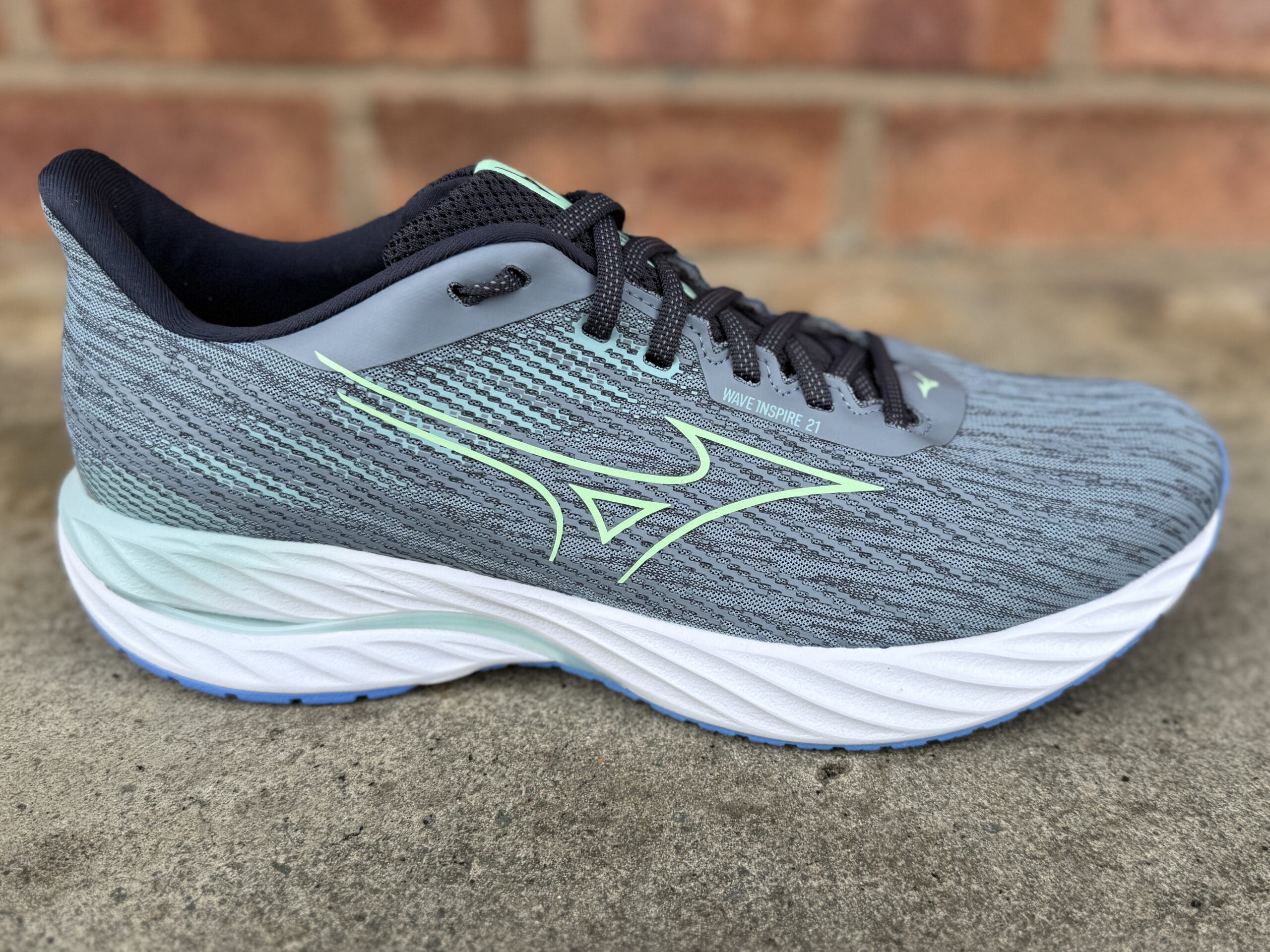
Mizuno Wave Inspire 21 — Moderate Stability
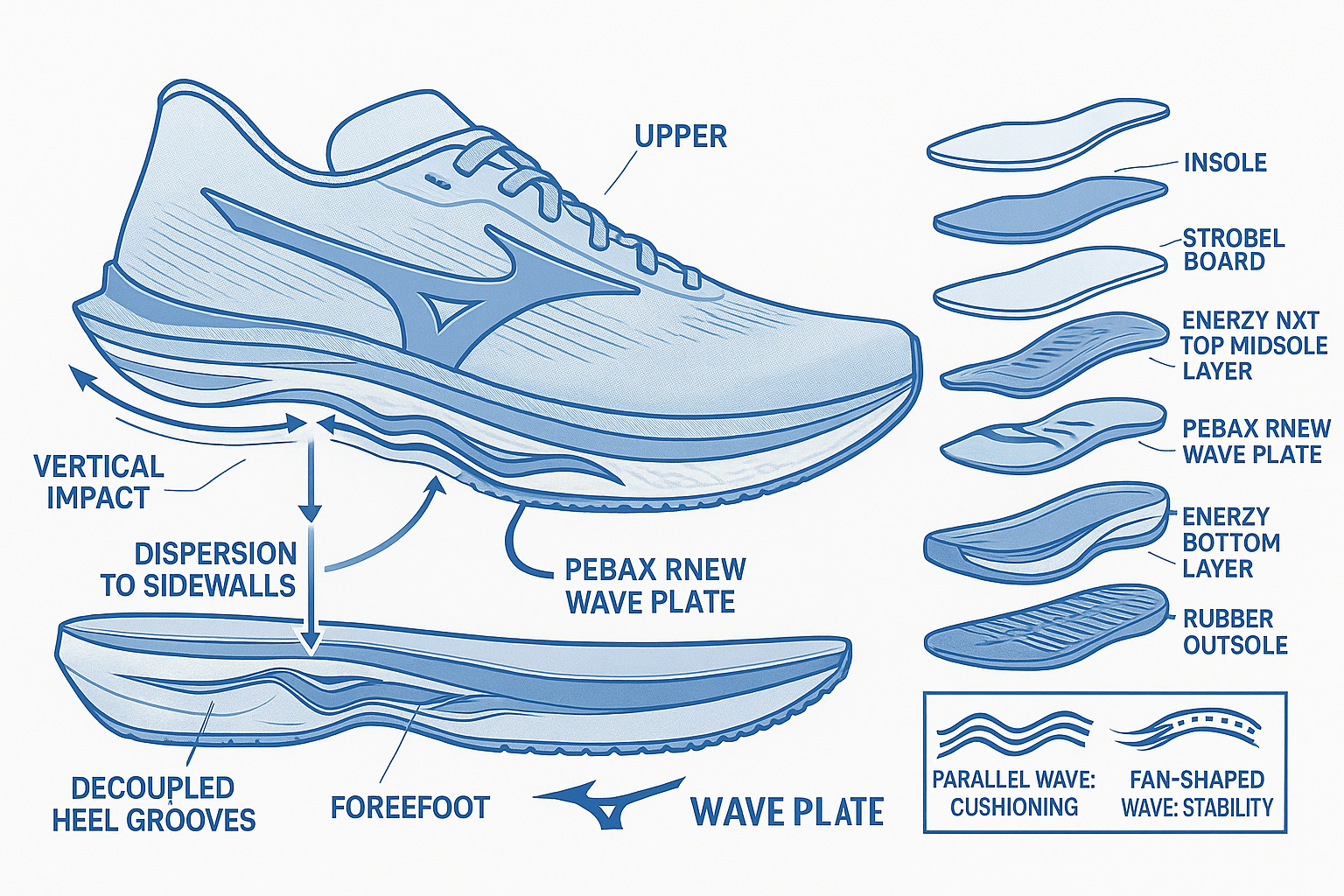
A neat page from the Mizuno Europe site that has brief explanations of their shoe technologies.
Why Pick it?
You like Mizuno’s “wave” support feel and want a modern, softer landing.
The technology: Resilient ENERZY NXT foam rides over a thermoplastic Wave plate that spreads impact and guides motion. Feels smooth and mildly stabilized; you’ll see a clean midsole with the Wave geometry inside.
I like New Balance, and they often make durable, reliable training shoes and often with at minimum two width options.
I can remember when I first tried Mizuno running shoes. They were quite different at the time. Their plastic wave-like plate in the midsole gives the shoes their distinctive feel.
ASICS Gel-Nimbus 27 — Plush Neutral

Why Pick it?
You want max comfort for easy/long runs.
The technology: Light FF BLAST+ ECO (EVA-family with bio/recycled content) paired with PureGEL (silicone-like elastomer) in targeted zones. Feels plush with muted rebound; gel is embedded rather than big/outside-visible.
I like Asics running shoes and their approach so far to building good products. They use foam and gel that seem to work well, and don’t go too crazy with changes. They tend to keep what works and tweak things.
I can remember when I first tried Mizuno running shoes. They were quite different at the time. Their plastic wave-like plate in the midsole gives the shoes their distinctive feel.
A history of the gel Asics uses in their running shoes.
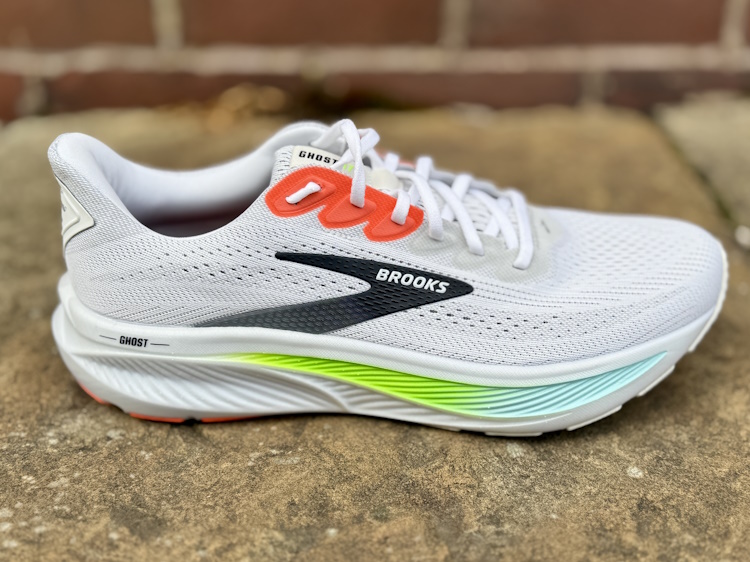
Brooks Ghost 17 — Cushioned Daily Trainer
Why Pick it?
You want a friendly, dependable trainer that’s soft but not mushy.
The technology: DNA LOFT v3 is a nitrogen-infused EVA-blend tuned for steady softness and durability. Feels comfortably cushioned without wobble; uniform, single-piece foam look.
Brooks may not always be a running shoe brand that always springs to mind, but they consistently put out reliable, good options for runners with well-tested, if not sometimes less flashy, technology.
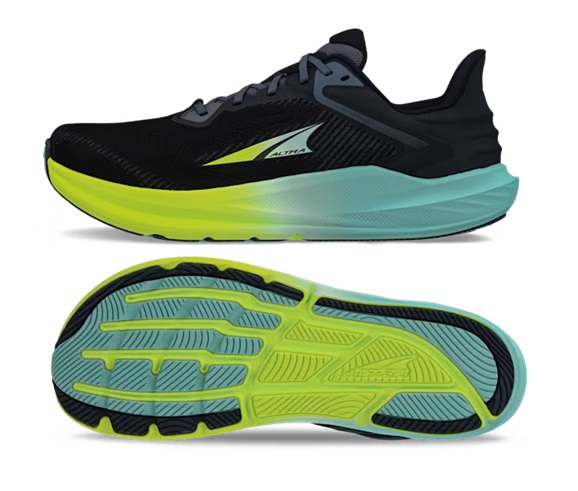
Altra Torin 8 - Escalante Racer
Why Pick it?
You want toe-room and natural stance, then choose soft vs snappy.
The technology: EGO MAX (enhanced EVA-blend) on a zero-drop platform for soft, even cushioning. Feels cushy yet stable; classic Altra foot-shaped silhouette.
Simple, tweaked EVA in a zero-drop, foot-shaped running shoe.
Hoka Clifton 10 — Cushioned, Light, Rockered

Why Pick it?
You want the classic Hoka cushioned feel for easy/steady running.
The technology: Compression-moulded EVA (CMEVA) with Hoka’s early-stage rocker geometry. Feels light, soft, and smoothly rolling, tall midsole with a visible rocker sweep.
I have always liked HOKA shoes as they rely on a simple, very light, thick cushioning with not too many bells and whistles and still stand out.
HOKA shoe technologies.
Adizero Boston 13 — Fast Daily/Tempo


Why Pick it?
You like a performance-leaning trainer that can flirt with race paces.
The technology: Compression-moulded EVA (CMEVA) with Hoka’s early-stage rocker geometry. Feels light, soft, and smoothly rolling, tall midsole with a visible rocker sweep.
Lightstrike Pro (light, supercritical midsole foam) sits over ENERGYRODS (stiff carbon-infused rods) to channel force. Feels firmer, propulsive; you won’t normally see the rods, just a sculpted midsole.
Endorphin Speed 5 — Nylon-Plated Super-Trainer


Why Pick it?
You want a single shoe to handle workouts and faster long runs.
The technology: PWRRUN PB (PEBA pellets fused into a springy core) with a winged nylon plate and SPEEDROLL rocker. Feels lively and forgiving without carbon’s stiffness; airy foam block with a forward pitch.
Speedroll: The Saucony Speedroll geometry is a signature feature of Saucony running shoes, designed to enhance performance by promoting a forward rolling motion from heel to toe. This geometry helps runners transition smoothly from landing to toe-off, reducing the energy required to push forward.
Saucony right now tend to be my go-to running/walking shoe. I like their focus on functionality but still looking ahead and trying to look for new technologies to improve their shoes.
On Cloudflyer 5 — Supportive, Podded Cushion

Why Pick it?
You prefer a supportive platform and On’s unique feel.
The technology: Helion (a durable EVA-blend) forms hollow CloudTec pods that compress individually over a Speedboard (TPU/nylon plate) for structural support. Feels stable, cushioned, and “podded”; pods are visibly cut out.
On has become more and more popular, and although I do not find their technology sexy – it seems to work.
Fit Still Matters
Technology is amazing, but comfort and fit always win.
Regardless of the technology, colour or how cool the shoe looks, make sure it fits, is right for your foot, feels good and is suited to what and where you run!


Leave a Reply