By Noel Paine
I am a longtime runner and have experience assessing people for orthotics and actually making them and fitting them into many types of footwear. I also wore orthotics for several years before gaining more foot strength and not needing them anymore. Orthotics can be a permanent supportive device or something that is only needed for a period of time to help the foot.
If you click, or buy from, links on this page, we may receive compensation. Learn more

“A foot orthotic is a device that can be discreetly inserted into the shoe to support, align, prevent, and/or accommodate foot abnormalities and improve how the foot functions.” – Canadian Pedorthic Association
Many runners find out about orthotics when they develop an injury from training or stemming from muscle imbalances or foot issues. Many people who develop such injuries as plantar fasciitis, stress fractures and iliotibial band syndrome are prescribed orthotics to help address the injury.
Fit with an Orthotic
Regardless of the orthotic the running shoe should fit properly in terms of length, and width and not be too tight or sloppy and your heel should sit deep enough in the shoe that you are not sitting too high in the shoe. It should be comfortable and feel natural to walk and run in with the orthotic.

Things to look for in a good shoe (for your orthotic)
I had a large orthotic for a foot that needed a lot of help when I was a young runner. I often had a hard time finding the right shoe. Take your time, ask questions and do your research. When you go in to get an orthotic, bring in the running shoe you use.
Top Shoes for those Who Use Orthotics
Neutral cushioned shoes for orthotics. This is when the shoe is merely a platform, and the orthotic takes care of all the support.
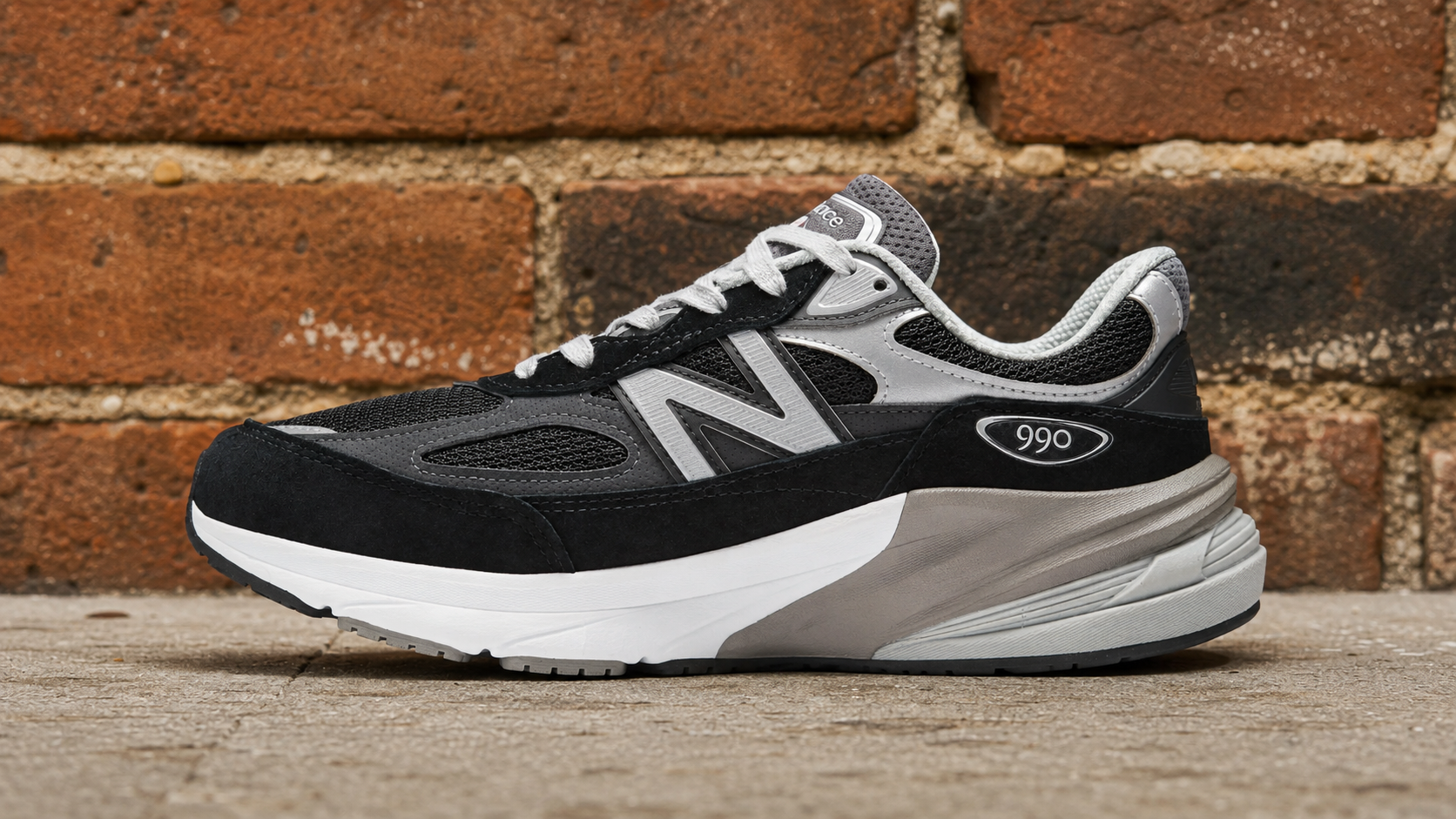
1.New Balance 990v6
Also Available at
Zappos ; New Balance
Okay I am not starting off with the sexiest running shoe, but this shoe has lots of volume, is stable, comes in a lot of width options, is durable and has been around for a long time in the New Balance line up. The cushioning is more on the firm side and look is a little old school but love this shoe. I used to bring this shoe out for someone with a large orthotic or someone who needed a good solid, stable platform for the orthotic to sit on.
2. New Balance Fresh Foam 880v15

Also Available at
Zappos ; New Balance
This is another great New Balance option if your orthotic fits properly in it. Take out the insole (most of the time you will need the extra room if you orthotic is full length and cushioned). This shoe is not as firm as the 990 above) but also not as soft as some others in the NB lineup.
3. HOKA Clifton 10

Also Available at
Zappos ; REI upto 30% Discount ; HOKA
The HOKA Clifton 10 continues to be one of the most reliable high-cushion daily trainers, but what stands out is how stable it feels despite the stack height. The midsole provides a soft, protective landing, while the geometry (wide base and rocker) helps keep transitions smooth and controlled.
For orthotic users, the Clifton works well because of its broad, inherently stable platform and consistent cushioning. The shoe doesn’t rely on aggressive stability features, which allows the orthotic to do the correction work without interference. The removable insole and available width options provide enough room for most orthotics, and the secure heel helps keep everything aligned.
This is a strong option if you are looking for a combination of cushioning and stability without a stiff or overly structured feel.
A shoe to help an orthotic (needs more support)
Often an orthotic needs a super stable platform and even some help to keep the foot stable or from overpronating.
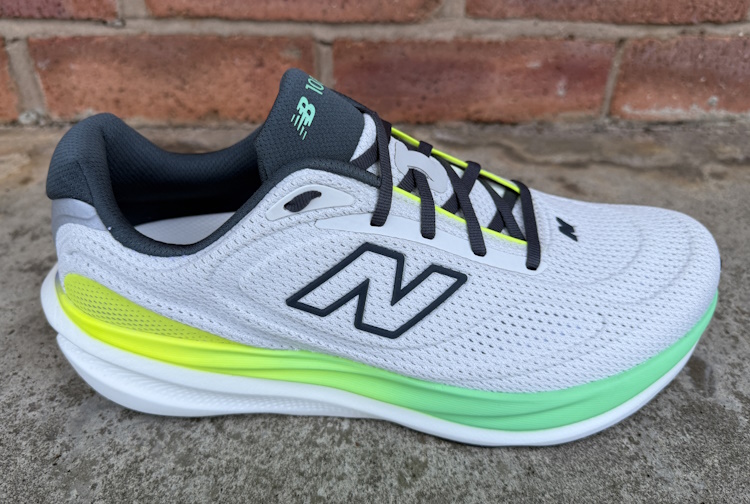
4. New Balance Fresh Foam 1080v15
Also Available at
Zappos ; REI ; New Balance
The New Balance 1080v15 is built for comfort, with a soft, high-volume midsole that delivers a smooth and forgiving ride. It is designed for longer runs and daily use, and the accommodating upper works well for a wide range of foot shapes.
For orthotic users, the key advantage is the overall fit and space. The shoe has good depth, a removable insole, and multiple width options, making it easier to properly fit an orthotic without crowding the foot. The softer platform means the orthotic will play a larger role in providing structure and support.
This is best suited for those who prioritize comfort and cushioning, and who rely on their orthotic for control rather than the shoe itself.
5. Brooks Glycerin 23
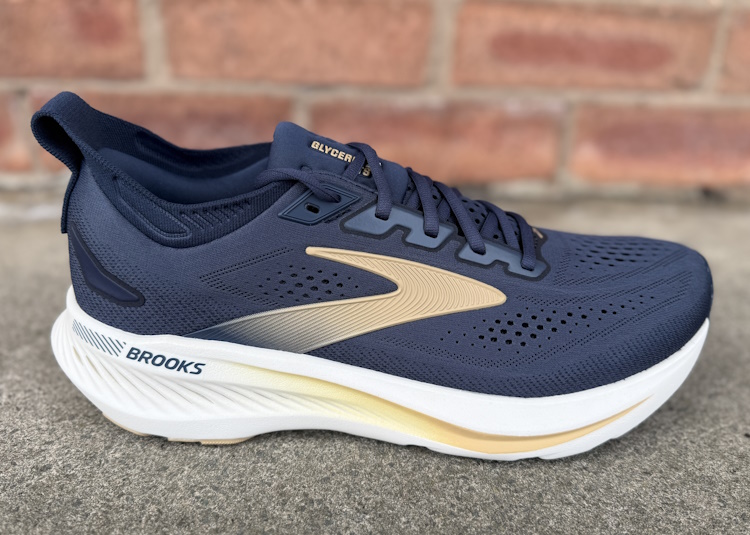
The Brooks Glycerin 23 offers a balanced combination of cushioning and structure, making it a dependable daily trainer. The midsole provides a soft feel underfoot while maintaining a consistent and stable ride.
For orthotic use, the Glycerin works well because it provides a neutral but stable platform along with a secure heel and consistent underfoot feel. The shoe does not compress excessively, which helps the orthotic sit properly and function as intended.
This makes it a reliable choice for runners or walkers looking for a comfortable, everyday shoe that pairs well with orthotics without feeling overly soft or unstable.
Extra Fitting Tips for Orthotics

For extra help go to a specialty running shop like Aerobics First in Canada where knowledgeable staff can help advise you or get advice from your orthotic provider who may even carry running shoes!
Guidance from the Canadian Pedorthic Association
Shoes for orthotics are shoes that can be worn with an orthotic device such as an insole, insert, or brace. However, for bulky items like braces, a more specialized orthotic accommodating shoe may be required. The “best” shoe is the one that provides the most comfort. Knowing the elements of shoe construction can assist you in selecting a shoe that will significantly reduce your pain level and improve your overall daily function.
There are several key characteristics to look for:
Other sites that have some guidance in finding the best shoes for orthotics:


Leave a Reply